

16 April, 2026
Small Bathroom Ideas: Clever Design Tips to Maximise Your Space
Small bathroom ideas to maximise space: clever layouts, wall-hung vanities, large-format tiles, shower niches and visual tricks. Practical design tips for compact Australian bathrooms that feel bigger and more functional.

Start With the Layout — Spatial Planning for Compact Bathrooms
I've counted my wet space measurements in over 30 years designing bathrooms in Australian homes. A majority of them are under 10 square metres. Many of the houses I have designed, particularly terraces and apartment developments, are closer to 4 or 5 square metres. A small footprint doesn't equal a small, under-delivered space. I've gathered some of my best ideas for a small bathroom from my work.
My advice is very straightforward. The layout is far more important than the type of tile or the colour you like for your tapware. Nail the spatial design and everything else follows. Mess up the spatial design and no amount of pricey tiles will make up for a room that doesn't feel great to use every day.
Where the door is positioned is the first step. A standard hinged door that opens in is taking up about 1 square metre of your floor. Change the door to a sliding cavity door, and you've instantly reclaimed that. The building code sets minimum requirements. It specifies the door opening size must be 820 mm clear to pass through (NCC 2022, ABCB Housing Provisions, Part 12.2), so make sure you know these figures as you look at your small bathroom ideas for planning layouts.
Next, you need to plot three important areas: the shower, the vanity and the toilet. The eye-line from the entry door to the far wall should focus on a space where a strong design element resides, such as a vanity wall or a splashback. Keeping the toilet off this sight-line will help to keep a composed room.
One of the best small bathroom layout ideas I recommend is a wet-room, where the shower area is the same level as the rest of the room; it works consistently in smaller bathrooms. Removing the screen and the hob opens out the room, one of the easiest small bathroom ideas that genuinely changes the way a room feels.

Storage and Vanity Selection for Small Spaces
Storage is a point where the best small bathroom ideas are either successful or they fall down in practice. A well-designed space where you don't have anywhere to stash your toothbrush will quickly wear you out.
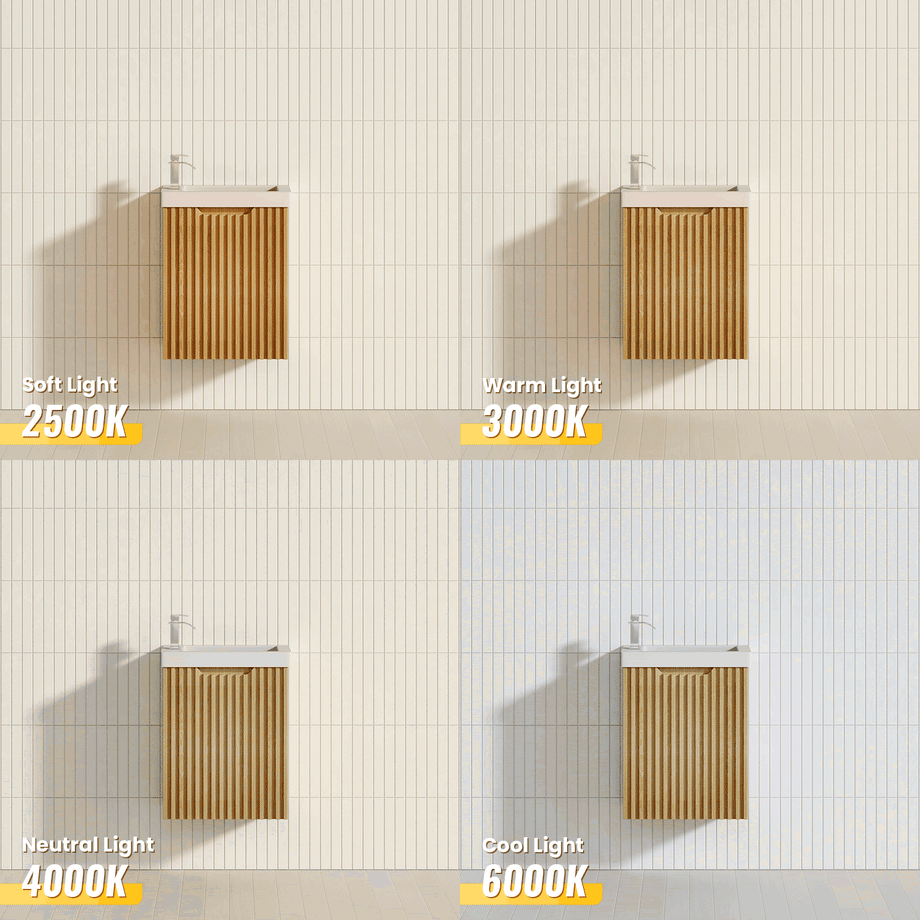
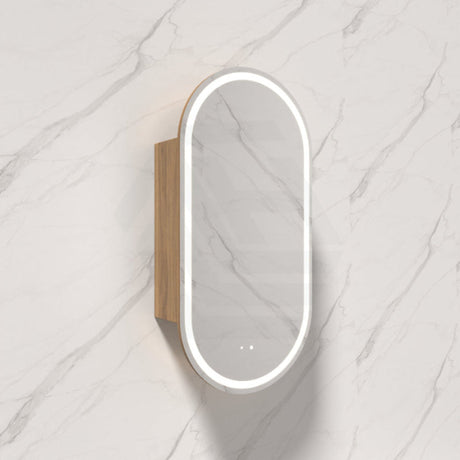
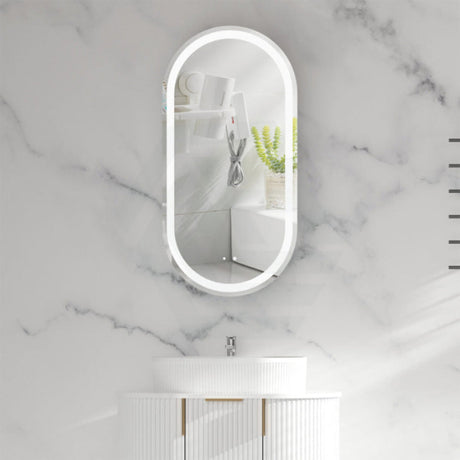
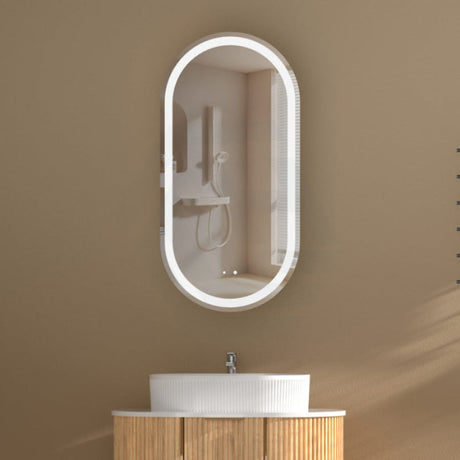
Wall-hung vanities are my first small bathroom design ideas, because they expose the floor underneath and visually create the perception that the room is larger. A wall-hung unit, 600 or 750 mm with drawers, will be more usable storage than a larger, floor-standing unit. I've placed a 450 mm wall-hung unit in very small powder rooms and they work well alongside a mirror cabinet above.
Shower wall niches are another small bathroom storage idea. They eliminate the need for a hanging shower caddy to store soaps and shampoos, which keeps the area looking clean. Tile them to match the rest of the wall and it becomes part of the design.

Fitting a Bathtub in a Small Bathroom
Plenty of homeowners ask me whether a small bathroom with bathtub is realistic. This will depend entirely on the floor plan but it is often possible. In many smaller Australian bathrooms, a 1500 mm long back-to-wall bath will sit neatly alongside the shorter wall. With a shower-over-bath unit, this means you get the best of both worlds but without allocating additional floor space for an enclosure; however, it does limit access. So, consider this option in households where accessibility is not a priority.
Japanese-style deep soaking baths, 1200 mm long and around 700 mm wide, provide a surprisingly comfortable bathing experience, yet they consume about the same space as a typical shower tray. I recently specified these baths on two apartments and the clients said the bath fit perfectly.

Finishes, Fixtures and Visual Tricks That Open Up the Space
Once the floor plan is finalised, finishes are your opportunity to increase the feeling of space. Large-format tiles, such as 600 × 600 mm and even 600 × 1200 mm, minimise the number of grout lines, making the surface look calmer and cleaner, and running tile from floor to wall is one of those small bathroom ideas I use all the time; I particularly love to do this with no cove and capping.
The choice of colour palette is another small bathroom idea I return to frequently, using a palette of light neutrals that are more reflective will make a small bathroom feel lighter and larger. That said, a dark colour palette can work well in smaller bathrooms if complemented with high levels of lighting and a strong emphasis on reflective surfaces; for example, a wall of matt charcoal-coloured tiles with a polished chrome mirror on top will create depth and visual weight.
Another detail to think about when considering small bathroom design ideas is vanity scale. Choosing a vanity for small bathroom spaces means getting the proportions right—a small vanity should look like it belongs, and small vanities with integrated basins have a cleaner aesthetic by removing separate basins on benchtops.
One small bathroom idea that can be overlooked is ventilation: the NCC states the minimum exhaust rate must be 25 L/s (NCC 2022, ABCB Housing Provisions, Part 10.8), so consider investing in a good in-line fan. I especially recommend this for ensuite and windowless bathrooms that are prone to damage over time from moisture and condensation.
References
National Construction Code 2022, ABCB Housing Provisions, Part 12.2 Livable Housing
National Construction Code 2022, ABCB Housing Provisions, Part 10.8 Condensation Management