

15 May, 2026
Neutral Bathroom Ideas: Timeless Designs That Never Go Out of Style
Discover neutral bathroom ideas that never date. From warm whites to soft stone tones, find timeless styles for your Australian renovation.

Video Credit: designchickee
Picture your bathroom again, but without clutter, no mixing of colours, or tile pattern that makes your skin crawl. A neutral bathroom brings beauty to an under-utilised room, and this explains why homeowners across Australia love it in renovation after renovation.
What Makes a Bathroom Truly Neutral?
First of all, neutral does not just include the colour white. This is an important thing to remember. Neutral colours extend from warm white and creamy greiges to cool greys and soft taupe and stone tones. There are many tones that are considered 'neutral' instead of just the one colour.
So, to clarify, you can have a neutral grey bathroom, a greige bathroom, a stone bathroom, and so on, because the only thing that makes a bathroom neutral is the absence of bold colours that look great now and look outdated in five years. For example, your bathroom could have stone-effect floors, warm greige cabinetry, and cream-coloured paint and would still be considered neutral (and quite warm and beautiful). This is important because neutral bathrooms are easy to redecorate without spending too much money. If you have a neutral bathroom, you can change the colour of the towels, switch a towel rail to a different finish, or add another plant, and the room already looks completely new. It also helps if you are selling your home, as most homebuyers prefer neutral tones so that they can put their own stamp on the home once they move in.

Choosing the Right Neutral Colour Palette for Your Bathroom
Now that we have established what makes a bathroom neutral, you will need to choose colours that you can apply to your space. It is crucial you consider the tone of the colours. If you have a warm floor colour, for example, use a warm wall colour to complement it. Cool floors should have cool wall tones. For example, a floor that has cool grey tones would go well with whites that have slightly more blue tones in them than a warm white. It is important you get the undertone of colours the right way around to ensure cohesive bathroom colour schemes.
Lighting will also influence the colour of your bathroom. A north-facing bathroom in a Sydney apartment will look totally different to a south-facing bathroom in a Melbourne apartment. Remember to look at colour swatches in the actual bathroom, as they often look different in a showroom or another room in your home. Another important factor for small spaces to consider is Light Reflectance Value. This refers to the amount of light being reflected into a space by a colour. The higher the number, the brighter the colour, and the higher the Light Reflectance Value, the better for small spaces as the colour makes the room appear large and not enclosed. Look for paint colours with an LRV (Light Reflectance Value) of 70 or more. You can expect a price of between $60 to $120 per 10-litre tin for quality neutral bathroom paint. Neutral porcelain tiles will generally start from around $6 per piece and get more expensive the more they resemble natural stone.

Materials and Finishes That Anchor a Neutral Bathroom
Once you have chosen which palette you want to work with, the materials you select will have the biggest impact on how the space looks and how well it performs over time. Matte and honed surfaces are the most appropriate in neutral bathrooms. They hide visual clutter, mask water marks, and offer the slip resistance needed for flooring in accordance with the AS 4586 P-rating for wet areas. Polished or lappato finishes are beautiful on walls but should be avoided on floors for safety reasons. Stone-look and marble-look porcelain tiles like the products offered by DW Tile and Everstone are great options; the non-porous properties of porcelain make them ideal for damp areas, and natural stone-look tiles are particularly effective as a way to add textural interest in a predominantly neutral space. Timber-look cabinetry or floor tiles add dimension to your bathroom without introducing additional colours. They work beautifully, for example, when paired with matte white walls and brushed nickel hardware.
One often missed detail in a neutral bathroom is the colour of the grout. Tile grouted with bright white, for instance, appears markedly different to the same tile grouted in a warm sand or deep charcoal tone. You can select the grout to complement your overall palette or the colour that best suits the undertones in your chosen materials. Prior to any tiling, confirm that waterproofing is up to code; shower wall waterproofing height must reach a minimum of 1800 mm (NCC 2022, ABCB Housing Provisions, Part 10.2) from the substrate level, compliant with AS 3740:2021 (AS 3740:2021) waterproofing compliance standards for wet areas in residential buildings.

Vanities and Storage for a Neutral Bathroom
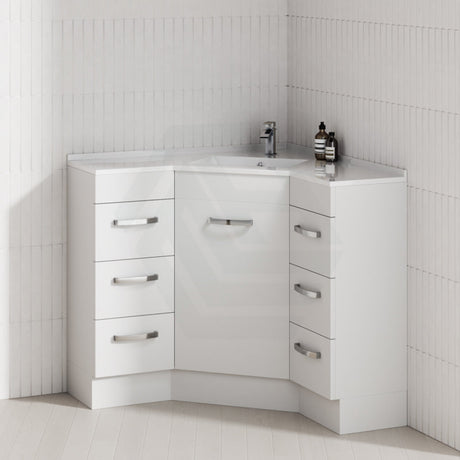
Having settled on your surfaces and materials, vanity and storage options are the next consideration, as they are usually the largest elements in the room and are therefore critical in tying the palette together. Bathroom vanities with sinks are generally offered in 600 mm, 750 mm, 900 mm, and 1200 mm widths, so make sure you have your measurements correct before you settle on one that catches your eye. Wall-hung vanities tend to work well in neutral bathrooms since there is space to see the floor underneath the cabinetry, making the room appear larger and easier to clean. Standalone vanities are also effective, particularly those with exposed cabinetry legs; they add a softer, more Scandinavian influence, which works very well in warmer neutral palettes. Matte white, natural timber, and concrete-look cabinet finishes are the most effective at the moment.
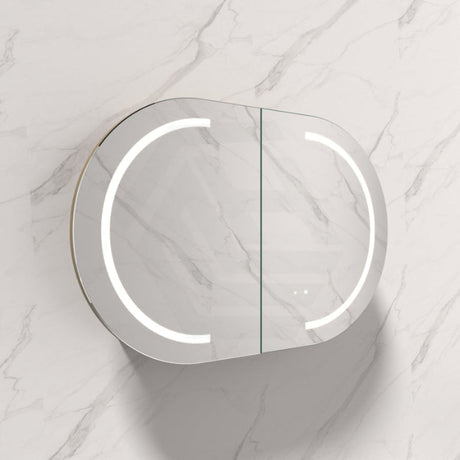
When choosing a bath vanity with sink, pay close attention to the material of the cabinet construction. PVC cabinets are fully waterproof but typically are used for cheaper renovations, whereas plywood cabinets — such as those from Aulic and CETO — are better quality for heavier stone basins or above-counter configurations. MDF is not fully waterproof, so make sure that you ask questions about the cabinets' construction when choosing them. If you require extra storage, bath cabinets in either matching or contrasting material will keep that neutral palette consistent and solve the classic issue of organising a bathroom space. A built-in shaving cabinet looks very elegant too because it disappears into the wall and does not look extra bulky.

Minimalist Layouts and Practical Design Tips
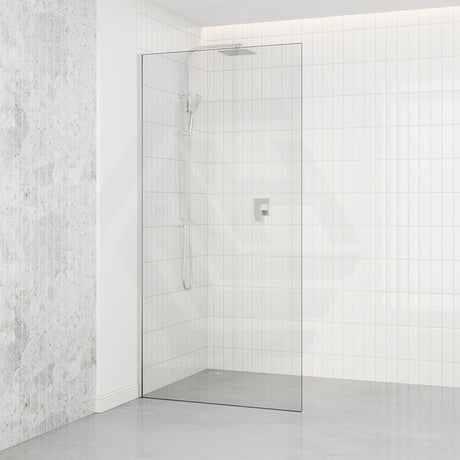
You have already done the hard work of choosing your vanity and cabinetry; now it is just the matter of arranging the layout and deciding on a few practical elements like plumbing, lighting, and hardware. The way you handle them, and the decisions you make around them, is a big contributor to your neutral bathroom ideas either looking truly thoughtful and well designed or feeling bland and just generally beige. A minimalist bathroom only works if the plumbing is concealed. Any exposed pipe runs will shatter the clean aesthetic you need for neutral spaces. Pair a concealed plumbing setup with a frameless shower screen (at least 10 mm thick tempered safety glass meeting AS/NZS 2208), and you can essentially make your shower area disappear into the background so your tile and material selections speak for themselves.
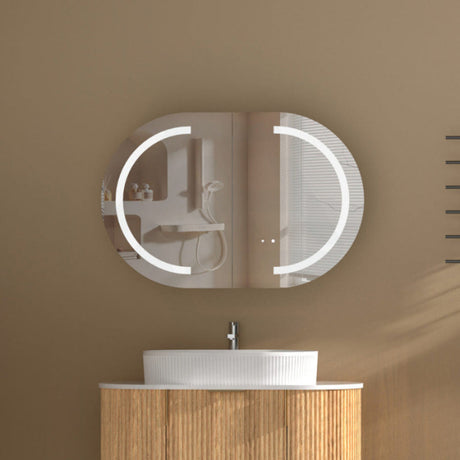
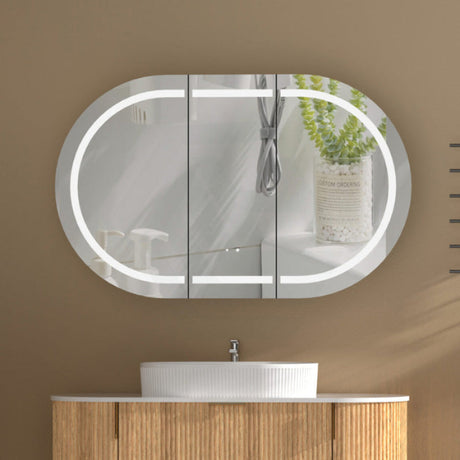
Recessed niche shelving in the shower walls is also an important detail to plan. These help you avoid cluttering up the view with freestanding shower caddies and keep your tiled surfaces free of interruptions. LED light-up mirrors provide an even, ambient lighting effect that makes the neutral tones glow without casting harsh shadows. Remember that installing an LED mirror or heated towel rail requires a licensed electrician; it is not a job for DIYers. Ventilation is equally important to get right. If there is no window, be sure your room has a minimum 25 L/s (NCC 2022, ABCB Housing Provisions, Part 10.8) of exhaust ventilation requirement met. Have a chat with your tradie about whether your current setup meets the requirement before any work begins.
There are a few things you should watch out for. Whether you are exploring white bathroom ideas or warmer greige schemes, one common neutral bathroom mistake is tiling the entire space in one neutral shade that has no variation in texture. If you want your space to look inviting rather than boring, ensure you are using at least two different materials in neutral hues. Another issue with neutrals is under-lighting. Because light colours tend to absorb rather than bounce light, be sure that you have layered your lighting. You should also pay careful attention to your hardware finishes. Both brushed nickel and chrome have a cooler, metallic tone, while brushed gold is warmer. Do not mix these in a neutral bathroom or you might create exactly that subtle disharmony that you were trying to escape in the first place. With these points kept in mind, your neutral bathroom ideas can look just as beautiful the day you finish it as it will a decade from now.
References
National Construction Code 2022, ABCB Housing Provisions, Part 10.2 Wet Areas
AS 3740:2021 Waterproofing of Domestic Wet Areas, Standards Australia
National Construction Code 2022, ABCB Housing Provisions, Part 10.8 Condensation Management