

13 May, 2026
Bathroom Vanity Ideas: Styles, Sizes and Inspiration
Explore the best bathroom vanity ideas for Australian homes. Discover styles, sizes and design inspiration to suit every budget and space.

Video Credit: HouzzTV
There is just something really nice about picking out a new bathroom vanity. It is really the only item that can make a bathroom feel whole, as it is where our eye naturally falls, it is what we use every morning, and there are so many bathroom vanity ideas for us all to play with when renovating or even just remodelling. I have spent so much time thinking and writing about bathroom vanity ideas, both in my own bathroom and for my articles, and I am very sure: if you are buying in Australia, there are so many to look at right now. No matter your budget, space or design preferences, you are sure to find a bathroom vanity that matches your needs.
Popular Bathroom Vanity Styles for Australian Homes
There are three main cabinet types of bathroom vanities to choose from when choosing a new bathroom vanity: freestanding, wall hung or inset/built-in. Each comes with practical advantages as well as some practical disadvantages. Freestanding (aka floor-mounted) cabinets will be sitting on legs or on a plinth. Wall hung vanities are the type attached to the wall with nothing touching the floor, and inset/built-in vanity units sit in a niche or joinery.
Freestanding vanity cabinets with legs, which are like Scandinavian-style furniture or mid-century designs, have been hot property of late, and there are some beautiful ones in the shops and online. But there is more to choose from when we get down to materials. PVC cabinets are waterproof and by far the most practical for a bathroom setting, as they will not swell or warp or delaminate (like MDF can if moisture finds its way in). MDF cabinets should always be sealed and carefully looked after in a wet area. Plywood units are the premium choice, being more dimensionally stable than MDF but still able to take a beautiful natural woodgrain look.
In Australia, it will be hard to go past gloss white or matt white cabinets, as they are just the most versatile and clean looking (plus they look great in photos and with most colour schemes for floor and wall tiles). Woodgrain finishes are the natural alternative and have been growing steadily in popularity, particularly in oak tones. Once you've decided on the style you like and have considered what material you want to use, next you need to be sure that your bathroom vanity will fit, which means you need to know all about standard Australian bathroom vanity dimensions before you take out your measuring tape.

Bathroom Vanity Sizes and Dimensions: What You Need to Know
Bathroom vanity dimensions commonly available in Australia range from about 400–500mm wide for compact powder room options, through to 600mm, 750mm, 900mm, 1200mm and 1800mm for a double configuration. The 900mm width is the most popular single-basin vanity size for a reason: there is plenty of storage space and basin space, without a large vanity unit taking up most of the bathroom. Vanity depth sits at around 450–550mm for most wall hung and freestanding units, and it is the depth that people get hung up on in small bathrooms most often.
Space planning is critical, so consider how wide the door will be, how much space you need at the basin to stand comfortably, and if the property is brand new or under renovation, the 820mm minimum clear doorway opening (NCC 2022, ABCB Housing Provisions, Part 12.2) specified for accessible bathrooms. Also, make sure you know how wet-area waterproofing requirements relate to the floor and wall areas that will be behind and under the bathroom vanity. And before you buy the unit, you must know your rough-in plumbing measurements, because it is easy to make mistakes here and waste a lot of money and time.
But width and depth of bathroom vanities aren't the only measurements you need to consider, as bathroom vanity height also has standard sizes and comfort considerations that can impact your use and comfort, or possibly even your compliance.

Bathroom Vanity Height: Standards, Comfort and Compliance
In Australia, the standard vanity height sits at roughly 850–860mm from the floor to the bench surface, and this has been the norm for decades. 900mm is becoming much more popular, particularly among homes with taller occupants. Many people find the taller 900mm height to be a much more comfortable bathroom vanity height to use on a daily basis. Fortunately, the height of a wall hung vanity cabinet can be set to suit your needs at the time of installation, and there is no such option with a cabinet set on the floor.
The bathroom vanity height has a direct relationship with the type of basin you will choose to have installed. Vessel basins, which sit on top of the bench, will add to the overall height and you might consider lowering the cabinet height to suit — an 800mm cabinet height is recommended when pairing a freestanding vanity with an above-counter basin, or 780mm for a lower result, targeting a comfortable vessel basin rim height of 900–950mm. An undermount or integrated basin sits at or below the level of the benchtop, so the standard cabinet height of 860mm will determine the finished height. For accessible bathrooms, AS 1428.1 stipulates that a finished benchtop height should be between 720–840mm, something to keep in mind should you have family with different accessibility requirements or if you want your forever home to be accessible long-term.
Once you are confident of the size and general dimensions required for your bathroom vanity, you can now consider how the vanity will best fit the dimensions and layout of your bathroom.

Select the Best Vanity for Your Bathroom Layout
If your bathroom floor space is small, say under 4 square metres, then I would always recommend the installation of a wall hung vanity. With the floor space under the vanity visible and not occupied, the room appears much larger. It is also much easier to clean the floor around these vanities. Keep in mind however that they have to be installed into a structural stud or have purpose-installed noggins fitted. The ability to install a cabinet this way varies depending on the wall, so before you make a decision it is something you should discuss with your licensed plumber and builder.
Corner vanities are another consideration for bathrooms that don't lend themselves to a conventional layout. Double vanities, with a cabinet that is 1200mm or larger supplied with two basins, should not be discounted for larger or shared family bathrooms. Consider storage options too such as drawers provide better storage and access than cupboards, and soft-closing doors and drawers are a great quality-of-life feature standard on most mid-range and above vanities.

Where to Buy and What to Look For
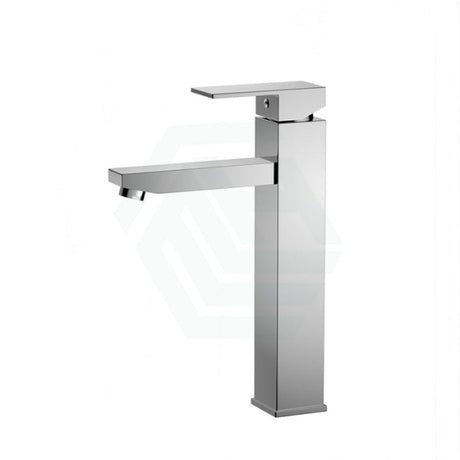
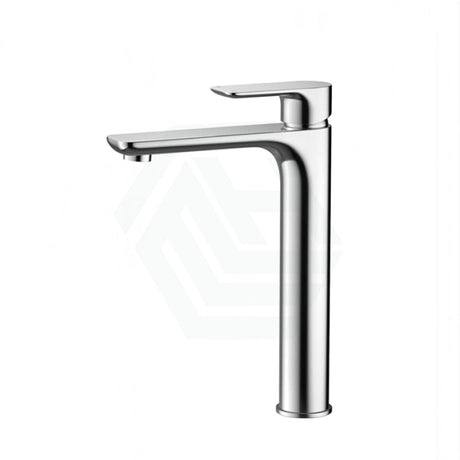
Some things to bear in mind before you purchase a vanity: the cabinet itself needs to be PVC or properly sealed MDF, not unsealed MDF loosely termed 'moisture resistant'. Check that the cabinet comes with soft-closing doors and drawers as a minimum, and if you plan to purchase any mixer taps, they need to be WaterMark certified. The connection of any plumbing must be undertaken by a licensed plumber, regardless of the state. Note that vanity cabinets are not supplied with basin mixer taps and basin waste fittings; these have to be purchased separately.
I recommend Aulic vanities if you want good quality cabinetry made right here in Australia, with quality fittings including Häfele soft-close mechanisms, beautifully finished cabinets and a wide range of styles and widths available, both wall hung vanity and freestanding options. If you are not entirely sure what suits your bathroom space, browsing online for a bath vanity near me provides the opportunity to compare a wider range of widths, finishes and price options without needing to physically visit a showroom. Vanity units can be purchased for as little as $300 for a basic PVC 600mm unit through to as high as $2,800-plus for larger premium plywood configurations, providing an option to suit any budget.
References
National Construction Code 2022, ABCB Housing Provisions, Part 12.2 Livable Housing
AS 3740:2021 Waterproofing of Domestic Wet Areas, Standards Australia
WaterMark Certification Scheme, Australian Building Codes Board
State plumbing licensing legislation (VBA Victoria; Fair Trading NSW; QBCC Queensland; Building Practitioners Board WA; CBOS Tasmania; ACTPLA ACT; Building & Energy SA; ABPB NT)