07 April, 2026
Bathroom Layout Ideas: Planning the Perfect Space
Bathroom layout ideas that actually work: smart zoning, minimum clearances, ventilation, storage and toilet placement. Practical tips to plan a functional bathroom before choosing tiles or fixtures.

I have seen hundreds, probably thousands, of bathroom renovations and the key to a bathroom that works and one that leaves you frustrated is the layout. Not the tiles. Not the basin mixer. The layout. If you get this wrong, it doesn’t matter how much you love your herringbone feature wall, you’ll still be smacking your elbow on the shower screen every morning as you reach for the shampoo. The thing is, bathroom layout ideas are deeply boring. No-one puts a floor plan on their moodboard. But every single bathroom renovation I have ever seen where the owner has looked at me and said “I love this bathroom” started with someone taking the time to sit down with a pencil and some graph paper (or, let’s be real, an iPad and one of the many free floor plan apps) to really think about how the bathroom was going to be used before a single tile was chosen.
The zones thing (and why your plumber cares more than you do)
Here’s the bit where your plumber will talk at you and your eyes will glaze over: all bathrooms have wet zones and dry zones and the building code treats them very differently. The wet zone is anywhere in the shower area and directly above the bath. This area needs to have a full waterproofing membrane up to a certain height. The dry zone is everything else. Why does this matter to your bathroom layout? Because moving a shower or bath means you have to re-waterproof the area, which is both expensive and time-consuming. Last year, I spoke to a renovation project manager who told me that about 40 per cent of bathroom renovation budget blowouts came from people wanting to shift a wet fixture after the waterproofing was complete.
So: plan your wet zone first, then everything else around it. You also need minimum clearances. A toilet needs to have at least 200mm clearance from the centre of the pan to the nearest wall or fixture either side, although to be honest anything less than 250mm starts to feel cramped. Shower screens need at least 900mm clearance to open the door. And your vanity needs enough clearance that you’re not standing in the shower recess to brush your teeth. In tighter layouts, incorporating a corner vanity in bathroom designs can be a smart solution, freeing up circulation space while still maintaining functionality. These are the bathroom layout ideas that will actually make a difference to how the space feels to use every single day.

Where does all the stuff actually go?
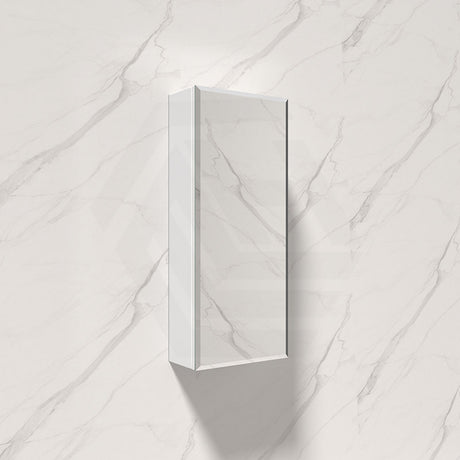
Let’s face it, some of the most beautiful bathrooms I have photographed for stories over the years have been the ones where the owner has confided with a sheepish grin, “It looks fabulous, but I have nowhere to put anything.” The best bathroom storage ideas? They’re the ones you design into the space from the get-go. A recessed wall niche in the shower, for example, costs next to nothing if you factor it into a renovation, but can be a horror to retrofit. Same with a mirrored shaving cabinet, which needs to be factored in before the wall lining goes on, because it sits between the studs. If you’re short on floor space (and most Australian bathrooms are), look up. A floating shelf above the toilet, a tall narrow cabinet beside the vanity, or a ladder shelf tucked into a corner are all great bathroom shelf ideas that won’t eat into your circulation space. The trick is to figure out what actually needs to live in the bathroom, towels, toiletries, cleaning products, medications, and then design storage for those particular items, rather than winging it.

Ventilation — the bit everyone forgets until it’s too late
I have been in bathrooms that cost $50,000 and still have mould growing in the corner of the ceiling because nobody thought about bathroom ventilation during the design process. It’s the single most overlooked part of bathroom planning. In Australia, the Building Code requires mechanical ventilation (an exhaust fan) in any bathroom that doesn’t have an openable window providing at least 5 per cent of the floor area in ventilation. But even if you do have a window, I’d strongly advise installing an exhaust fan anyway. A window provides airflow when it’s open, but let’s be real: nobody opens their bathroom window in the middle of winter. Positioning matters, too. Your exhaust fan should be positioned as close as possible to the shower and bath, that is where all the moisture comes from. If you position it at the far end of the bathroom near the door, all that steam has to travel the length of the bathroom to reach it, condensing on every surface along the way.

Choosing your toilet (and why the plumbing makes the decision for you)
Here's the part where it gets tricky. When you're shopping for a new toilet, the first question you need to ask is not what colour or shape you want, it is which type of waste outlet you have. A pea trap toilet means your waste outlet travels out through the wall behind the toilet. An s trap toilet means your outlet goes through the floor. And no, you cannot decide based on aesthetics, it is already decided for you by the existing plumbing. Want to change it? That is doable, but it is going to cost you — ripping walls or floors open is neither enjoyable nor cheap. Figure out which one you have before you even begin shopping, because of all the bathroom layout ideas that people overlook, this is the one that causes the most expensive surprises. In larger or dual-use bathrooms, some homeowners also consider adding a urinal alongside the main toilet to improve convenience and reduce congestion during busy mornings, though this will require additional plumbing considerations. And if you are looking for a toilet that is easier to clean, consider a rimless commode. Rather than water jets underneath the rim of the bowl, water flows around the entire rim in one smooth cascade. It is noticeably easier to keep clean and they look quite sleek as well.