12 May, 2026
Bathroom Ideas: Design Inspiration for Every Style and Budget
Discover bathroom ideas for every style and budget. Get Australian design inspiration, from classic subway tiles to modern minimalist looks.

Video Credit: Built By Becker
Understanding Your Bathroom Style: From Classic to Contemporary
When I meet a new client, the first thing I ask is "What does the rest of your home look like?". A bathroom that doesn't work with the rest of the house will never look right, no matter how much you spend on it.
In Australia we have five main bathroom style categories. A classic and traditional style involves a subway tile finish with a pedestal basin and chrome or brushed nickel tapware. This style lasts well over time and fits with older homes. For modern minimalist bathrooms we use large-format porcelain tiles with a wall-hung vanity; the material palette should be restrained. Matt black tapware from ranges like Meir and Fienza works well here. Hamptons style features shaker-profile vanity doors, marble-look porcelain and brushed nickel or unlacquered brass finishes. The industrial style bathroom features exposed concrete-look tiles with gunmetal grey tapware and contrast in raw materials. Finally, there is Japandi — the Japanese-Scandinavian hybrid that originated in Europe and is now popular in Australia — which combines warm timber-look joinery, muted terrazzo tiles, and organic matte forms.
Some of these styles involve more maintenance than others. Natural stone needs to be sealed and maintained, and you need to be careful which products you use to clean it. Concrete-look porcelain will not need this treatment. These are practical as well as aesthetic decisions.
Once the design style is determined, the next step is understanding how much of this is achievable on your budget.

Bathroom Design Ideas by Budget: What You Can Realistically Achieve
I find the biggest mistake made is not realising that not all bathroom design ideas work for the same budget. The designs you see in many international publications are going to be expensive. That doesn't mean it isn't possible to achieve these ideas with less money — you just need to be selective.
With a budget under $5,000 you can do a simple bathroom refresh without moving any pipes. You can replace all the tapware — note this requires a licensed plumber — and fittings, paint, add an LED mirror and do a re-grout. The return on this investment is very high.
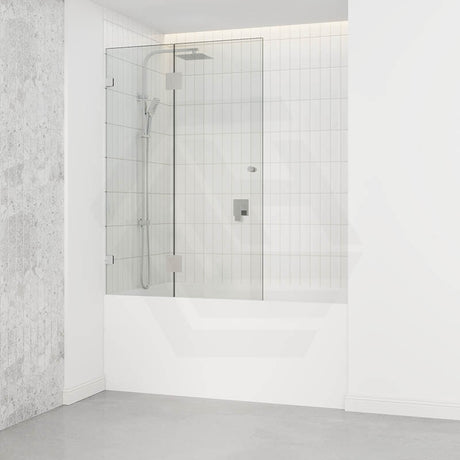
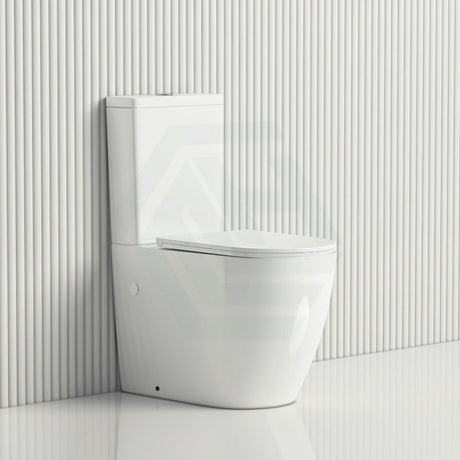
For $5,000 to $20,000 you can replace the vanity and toilet suite, the basin and shower screen, with the possibility of changing the tiling, without necessarily relocating plumbing. A 900 mm wall-hung vanity in MDF or plywood with a stone benchtop, a rimless back-to-wall toilet suite in the $400–$800 range, and 600×1200 mm porcelain tiles will produce a result that feels genuinely premium. Bear in mind that in the majority of instances the vanity cabinet is supplied without the basin mixer and waste — ensure these are added to your budget separately.
Above $20,000 you are looking at a full fitout which may involve relocated plumbing, custom joinery, designer fixtures and perhaps structural changes. A Broadway freestanding bathtub starts at $878 but requires a minimum 1.8 metres of clear floor space — a spatial commitment that must be considered as you develop the plan. Smart toilet suites from Kohler start at $1,619; these are aspirational pieces that reward careful planning.
Once you have identified your budget tier, the main considerations for cost and longevity are the specific materials and fixtures you select.

Materials, Fixtures and Fittings: Making Practical Choices
Surface materials and joinery materials are two entirely separate decisions, and they are often conflated during the planning process.
For floors, bathroom tiles must meet the minimum slip-resistance requirements under AS 4586 (P-rating), which means a matte finish is required for the floor while a polished finish may be specified for the wall. The 600×1200 mm format is particularly popular right now because it has fewer grout joints and a cleaner look. Mid-range to premium porcelain runs $50 to $150 per m² installed. Natural stone looks beautiful but costs more and must be well sealed given its naturally porous surface — a relevant consideration in Australia's often coastal, humid climates.
For wet area walls, the NCC 2022 specifies that walls require waterproofing to a minimum height of 1800 mm (NCC 2022, ABCB Housing Provisions, Part 10.2) above the floor substrate in shower enclosures, along with a minimum 40 mm horizontal leg at the wall-to-floor junction. This must be completed by a licensed waterproofer and cannot be skipped.
Finish selection is another key consideration. In Australian homes, matt black and brushed chrome remain the two most requested finishes, with gunmetal grey — offered by Meir and Bella Vista — rapidly rising in demand. In areas with hard water, brushed or textured surfaces show fewer marks than polished chrome. LED mirrors must be installed by a licensed electrician and must comply with AS/NZS 3000:2018 electrical zoning requirements for bathrooms.
Getting materials and fixtures right reduces risk and leads to a better result — but layout will determine how well your bathroom functions day to day.

Saving Space With a Corner Vanity Layout
The floor plan must be developed before product selection begins. Layout makes it work; finish makes it look good. A bathroom should have a minimum of 600 mm of clear space in front of a toilet suite, 900 mm as the bare minimum for a shower recess, and enough clearance for the door to not swing into the floor space. For bathrooms under 4 m², every millimetre counts.
Many smaller Australian bathrooms employ corner configurations for this reason. A vanity in corner placement leaves the principal wall clear for a larger shower or a more substantial toilet nook. The typical corner vanity bathroom footprint spans 500 mm to 900 mm on the diagonal, and a well-designed corner bath vanity can reclaim up to 300 mm of usable floor width compared to a standard wall-hung unit. Storage depth is reduced relative to a wall-hung equivalent, but this is generally a worthwhile trade-off. Lukka and Aulic offer PVC and MDF carcass corner bath vanity solutions in the mid-range price bracket.
Wall-hung toilets save 150–200 mm of floor depth compared to floor-mounted suites and present a cleaner aesthetic. They incorporate an in-wall cistern, which adds $165–$1,283 to the scope — a cost that is generally justified by the space and visual benefits.

Bathroom Renovation Ideas: Planning, Sequencing and Common Mistakes
The sequence in which you complete each stage of a bathroom renovation is critical: waterproofing first, then tiling, then fixtures and tapware, then joinery, then accessories. Skipping or reordering these stages creates compliance issues and, in serious cases, structural water damage that costs far more than the original project.
When discussing bathroom renovation ideas with clients, compliance takes precedence over product choice. All tapware, basins, toilets, and bathtubs must be installed by a licensed plumber as required by state plumbing licensing laws. Waterproofing must be completed by a licensed waterproofer and certified to current NCC 2022 standards. Ventilation is frequently overlooked — windowless bathrooms must have exhaust capacity of at least 25 L/s in accordance with the NCC 2022 Housing Provisions. A bathroom that meets every design brief but never stops steaming has not delivered value.
Lead times cause more project delays than any other factor. Custom joinery, imported tapware, and specialty tiles can carry six to twelve week lead times. When finalising your bathroom renovation ideas, your corner vanity bathroom and all other joinery should be ordered before demolition begins. Confirm the exact rough-in dimensions with your plumber before selecting fixtures. A 50 mm variance on the toilet rough-in — noting Australian toilets typically use either 160 mm or 180 mm, with 180 mm standard for wall-hung suites — can render a selected suite incompatible and require additional plumbing work at extra cost. Licensed waterproofers and tilers in Australian capital cities typically book four to eight weeks in advance, so factor this into your programme.
If you live in a strata building, check with your body corporate whether approval is required for wet area renovations. Approval timelines vary and can delay even well-managed projects by many weeks.
Ultimately, it is the quality of planning that determines whether your modern bathroom ideas succeed at any budget. The finishes deliver the emotional impact, but the structural and compliance elements ensure your bathroom continues to perform for years to come.
References
National Construction Code 2022, ABCB Housing Provisions, Part 10.2 Wet Areas
AS/NZS 3000:2018 Electrical Installations (Wiring Rules), Standards Australia
State plumbing licensing legislation (VBA Victoria; Fair Trading NSW; QBCC Queensland; Building Practitioners Board WA; CBOS Tasmania; ACTPLA ACT; Building & Energy SA; ABPB NT)