19 March, 2026
How to Choose a Japanese Commode
How to choose a Japanese commode: Explore key features (heated seat, bidet, dryer), retrofit vs full unit costs and installation tips for hygiene and comfort in your Australian bathroom upgrade.

If you have travelled to Japan, you have probably already experienced their innovative approach to bathroom technology. Japanese toilets have gained a reputation for innovation and luxury that is increasingly appealing to Australian homeowners. Features include heated seats, built-in bidets, automatic lids and ambient lighting – a far cry from the standard Australian toilet.While they may feel like an over-the-top luxury, more Australians are realising that a Japanese toilet could well be the bathroom upgrade they did not even know they needed.But here is the challenge: navigating the selection of Japanese toilets in Australia can be a little daunting, especially when you are looking at control panels that appear like they have been lifted off a spaceship. So, if you are weighing whether to add one to your bathroom renovation, here is what you need to know to make the decision a whole lot simpler.
What Is a Japanese Toilet?
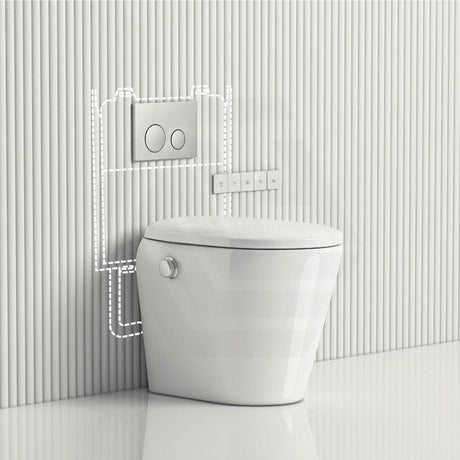
Let us start with the basics. A Japanese toilet (or smart toilet or washlet, depending on the brand) is basically a toilet with integrated technology that aims to make your bathroom experience cleaner, more comfortable and frankly, decadent. Features include warm-water cleaning, heated seats, air-drying, deodorising functions and even ambient lighting.The key feature that differentiates these from a traditional Australian toilet? The integrated bidet function. Traditional bidets usually need a whole separate fixture (and coveted bathroom real estate), but the Japanese-style toilet bidet combines everything into one streamlined package. Unlike standalone bidets that require additional space and plumbing, the toilet bidet Japanese style seamlessly integrates all functions into a single unit.
Budget vs Splurge: How Do They Differ?
Like nearly everything in a bathroom renovation, Japanese toilets vary widely in price. At the lower end of the spectrum, there is a bidet toilet lid that retrofits over your existing toilet – a practical choice if you are not ready to commit to a full renovation and are working with a tighter budget. These snap-on lids can range from a few hundred to several thousand dollars, and while they will not have all the bells and whistles you will get on a full unit, they will deliver that warm-water wash and heated seat you are seeking.You can achieve this look with a $1,500 retrofit lid, or invest in a full integrated system from $3,000 to $8,000. For those considering a japanese toilet upgrade without a complete renovation, a bidet toilet lid offers an accessible entry point. If you are renovating your entire bathroom and want to invest in a premium option, a full integrated Japanese toilet will range from about $2,000 upwards of over $10,000 for the seriously high-end models. The more expensive ones have features such as automatic opening and closing lids, self-cleaning nozzles, night lights and actual health monitoring capabilities.

What Features Actually Matter?
This is where it is worth considering your lifestyle and what you will actually use. A toilet that helps you keep track of your health metrics sounds impressive, but it may not be essential for most households.According to bathroom design experts, a heated seat (particularly useful for colder Australian winters), adjustable water temperature and pressure for the bidet feature, soft-close lid and deodorising system are all features most people find genuinely useful. An automatic flush is a practical addition, too, if you have got kids who never remember to do it.One important consideration: some Japanese toilets need an electrical outlet close by, so you will want to incorporate that into your renovation plan early. Your plumber and electrician will have to work together so that everything is positioned correctly.
Installation Considerations
Installing a Japanese toilet is not as simple as swapping out a standard toilet. You will need to ensure you have the proper plumbing hookups, sufficient water pressure and power. It is certainly not a DIY project, unless you are a professional plumber and electrician.The other consideration? Ensure your bathroom layout can fit the toilet's footprint. Some models are bulkier than traditional toilets, so measure twice (or three times) before purchasing. Speak with your plumber early in the renovation process and allow 2-3 hours for professional installation.

Will It Really Change Your Bathroom Experience?
While a Japanese toilet may seem like a luxury purchase, many homeowners find the investment worthwhile for the comfort, hygiene and sustainability benefits. They are certainly cleaner and more hygienic than traditional toilets, more sustainable (you will use considerably less toilet paper), and genuinely comfortable to use.If you appreciate quality finishes and you are renovating your bathroom anyway, it is something worth considering. Focus on features you will actually use rather than the most elaborate options. Your budget – and your plumber – will thank you.
Our Top Japanese Toilet Picks
When shopping for a Japanese toilet in Australia, visit retailers such as Reece, The Blue Space or specialist bathroom suppliers to view models in person and discuss installation requirements with their consultants. The growing popularity of Japanese toilet Australia options means local retailers now stock a wide range of Japanese toilets to suit different budgets and preferences. Be sure to request product samples and compare features across different price points to find the option that best suits your needs and budget.