

08 April, 2026
Toilet Not Flushing Properly: Troubleshooting Guide
Toilet not flushing properly? Learn how to fix weak flushes, low water levels, rim jet blockages and cistern issues with simple DIY troubleshooting before calling a plumber.

Why Your Toilet Flush Has Stopped Working
Nine times out of ten, a toilet flush not working comes down to a problem inside the cistern. The cistern is the large ceramic box at the back of the toilet bowl, something most of us don’t even think about until something goes wrong. Usually, it’s because the flapper valve is worn out and not sealing, or the fill valve is on the way out, or the rim jets have slowly blocked up with limescale. Sometimes it’s just the flush button itself, those dual flush buttons we use in Australia can wear out over time, and the rod that connects them can break or become loose. There’s also the possibility of a partial blockage, something part way down the pipe disrupting the flow enough that when you flush, it doesn’t quite feel right.
The Cistern — Where Most Flush Problems Actually Begin
One thing that might surprise you is this; when you’ve got a toilet not flushing properly, most of the time it’s nothing to do with the bowl. It’s the cistern. The cistern’s job is simple, it fills up with water, and then when you press the button, it releases it all at once. But when the fill valve starts to play up, there isn’t enough water filling the cistern. If the water level is too low in your cistern, you’ll get a weak flush that struggles to clear the bowl. Then there’s the horror of a toilet cistern leaking. A leaking cistern is a sneaky thing, the water leaks out slowly, often inside the cistern so it runs into the bowl in a slow, steady stream. Your water bill gradually creeps up, and every time you flush there’s a bit less water behind it. If you hear your cistern filling itself when nobody’s flushed the toilet, that’s your first clue. Check the washer at the bottom of the flush valve and the height of the overflow tube. If the cistern itself has developed a hairline crack… well, time for a new cistern.

Simple Fixes You Can Try Before Calling a Plumber
Okay, so your toilet not flushing properly has you worried… before you fork out a $150 callout fee, here are a few things you can try for yourself. You don’t need to be ‘handy’, you just need to be prepared to lift the cistern lid and take a look. First, check the water level. There’s usually a water level line marked on the inside of the cistern – if the water level is well below that line, you’ll need to adjust the fill valve or the float. The other common cause is a faulty or misadjusted fill valve. Most new toilets have a simple screw to adjust this. Flapper or flush valve seal: If the seal is distorted, cracked or dirty, it won’t seal. It should take about five minutes to replace. Bucket test: Pour a bucket of warm water into the bowl from waist height. If it flushes, you have a minor blockage and a plunger will do the trick. If not, that’s when knowing how to fix toilet flush problems yourself reaches its limit. Clean the rim jets: They are the little holes under the rim that, over time, get blocked up. Get a small brush and some white vinegar and clean them out.

When It Might Be Time for a New Toilet
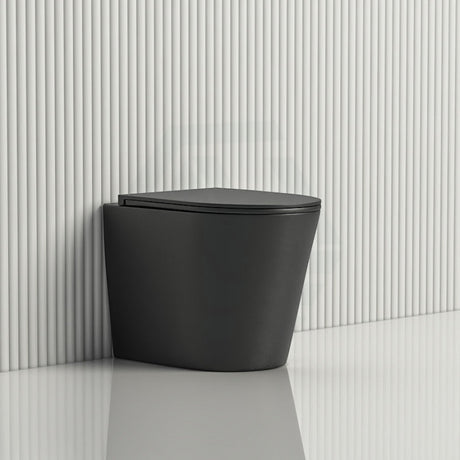
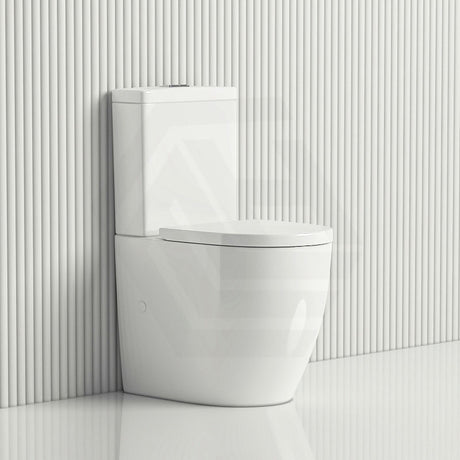
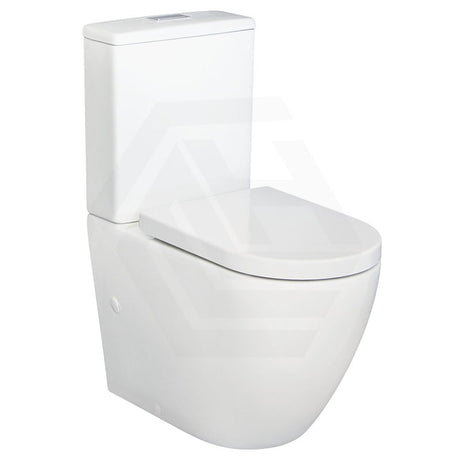
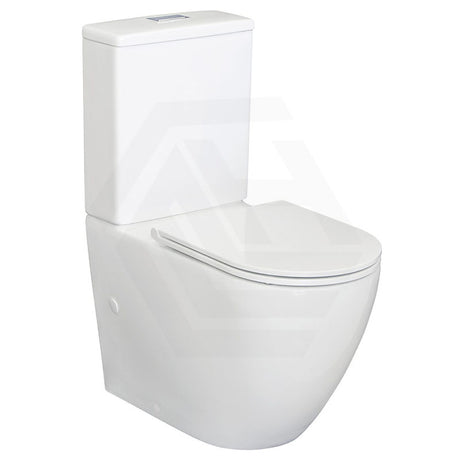
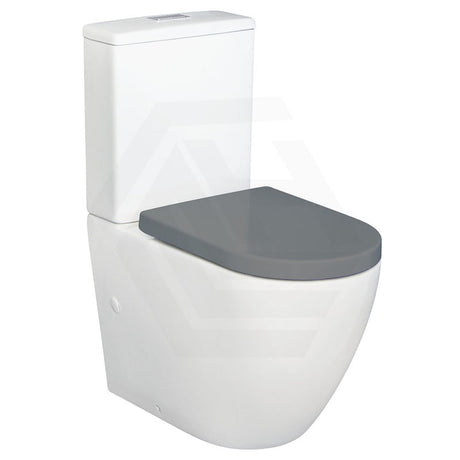
Despite your best efforts, there are times when your toilet has simply reached the end of its life. I say this with the utmost respect, but if you have a toilet not flushing properly despite several repairs, constantly playing up, and more than 15 years old, it may be time to consider a new toilet. Toilets these days use half the amount of water of older models (4.5/3 litre dual flush compared to 11-litre single flush) so the cost of a new toilet will be recouped over time with your reduced water bills. And if you are going to the expense of replacing your toilet, it might also be a good time to consider the style. A commode p trap is ideal for most standard installations while a back to wall loo will give you a clean, modern finish with the cistern hidden from view in the wall.

Upgrading Your Bathroom While You’re At It
While you’ve got the plumber coming, it might also be a good time to think about other upgrades you could make. A toilet bidet attachment, for example, is something people swear by once they’ve fitted one. And if you’re already paying for a plumber to be on site, the connection cost is minimal. You could also consider installing some new tapware or tiles around the base of the toilet, or even just a new toilet seat.