25 November, 2026
Toilet Making a Hissing Noise? Causes and What to Check
If your toilet is making hissing noise, it's usually a worn fill valve. Learn the checks to make and when to call a licensed plumber.

That faint, steady hiss coming from the loo at 2am isn't your plumbing going haywire — it's almost always something simple. In my experience, a fill valve with a worn-out seal is the most common cause, especially in hard water areas where mineral buildup stops it shutting off properly. Rarely, water pressure plays a part, but only a plumber can confirm that with the right tools. The good news: once you know where to look, sorting out whether it's the valve, the float, or something else is straightforward, and I'll walk you through the checks below before you even think about calling a tradie.
Video Credit: JENSEN DIY
Why is my toilet making a hissing noise?
When a toilet is making a hissing noise, 9 times out of 10 it’s the cistern, not the bowl.
Inside the fill valve, a rubber seal closes against a seat once the float rises. When that seal wears or picks up scale, it can't close fully and a thin stream of water squeezes past, which is the hiss you hear.
In any case, the source of the hissing noise is within the toilet cistern, so that’s where to focus.

Is it a worn-out fill valve, water pressure, or something else?
The fill valve's job is to shut off completely once the cistern reaches the desired water level, and that's usually what's behind a toilet making hissing noise. When the seal deteriorates, it cannot shut off properly.
A valve clogged with mineral deposits often fails gradually, while a snapped or broken part inside the valve tends to cause a sudden, complete failure.
Rarely, high incoming water pressure can be a factor, and a plumber can check this if the valve itself checks out fine.

What checks can you perform?
Before calling a plumber, you can check these things on your own:
1. Check that the hissing is actually coming from the toilet cistern, and not a pipe behind the wall. Get close to the lid while the cistern is filling up.
2. If the hissing stops when you turn off the toilet's isolation valve, the noise is water coming in through the fill valve. To see whether water is escaping into the pan, add a few drops of food colouring to the cistern and wait without flushing: colour in the bowl points to the outlet valve seal, while a clear bowl points to the fill valve itself. Flush afterwards so the colour doesn't stain.
3. Open the cistern lid and check for buildup around the fill valve. You don’t need to touch anything; just check for scale and mineral deposits.
4. Check that the toilet float is floating and moving freely, not hanging on the side of the cistern or on the overflow tube.
None of this involves taking anything apart. It's just collecting information so that whoever is going to fix the problem (you or a plumber) has somewhere to start.

Toilet Cistern Parts That Commonly Need Attention
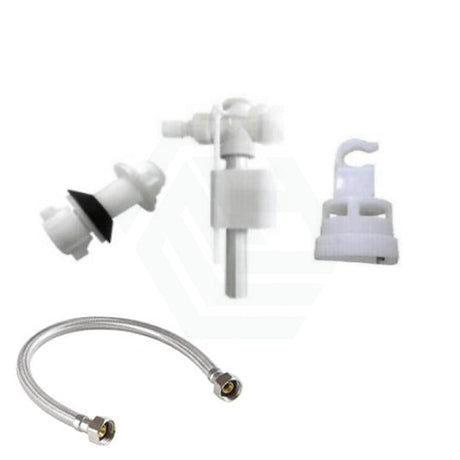
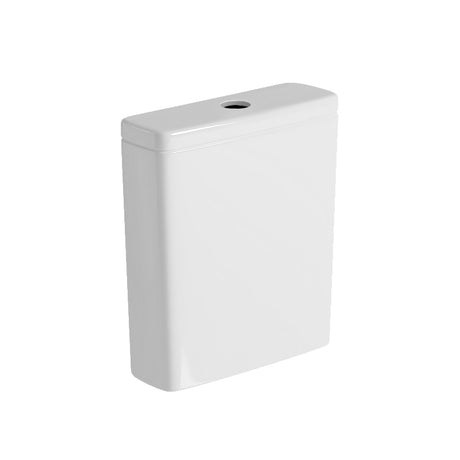
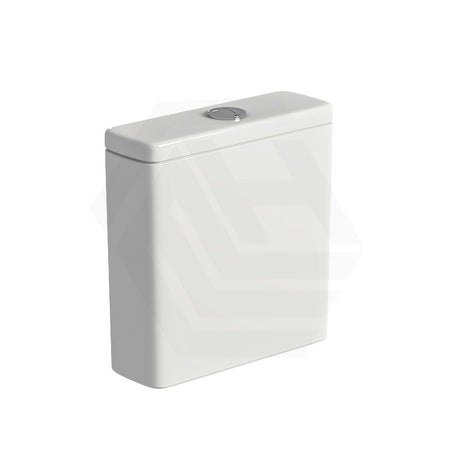
In most cases, a hissing toilet cistern points to either of two components: the inlet (fill) valve and its float, or the outlet (flush) valve. The inlet valve controls the flow of water into the cistern following a flush, and the toilet float lets the valve know when to shut off. Once the water reaches the appropriate level, the float rises and closes the valve. When a toilet float is jammed, waterlogged or otherwise unable to signal the inlet valve, water continues to trickle through, resulting in the familiar hiss.
The outlet valve determines what happens when you push the button to flush. While it's less likely to be the cause of the hissing noise, a deteriorated outlet valve seal may allow water to leak from the cistern into the bowl, causing the inlet valve to run continuously to refill the cistern. A replacement inlet or outlet valve is a WaterMark product type, so your licensed plumber will only fit a certified one (WaterMark Certification Scheme).

When to Call a Licensed Plumber
It's time to be honest: This is the point where DIY enthusiasm can get you in over your head. Installation or replacement of a toilet, including work on connections to the water supply, is required to be performed by a licensed plumber across all states and territories. Replacing a complete inlet or outlet valve is similarly within the province of a licensed plumber, regardless of how straightforward the procedure appears with the lid off. There are limited exceptions. In Queensland and Western Australia, a property owner may replace a cistern washer without a plumbing licence, and in Tasmania owners may carry out maintenance and repairs on cistern inlet and outlet valves. None of these exceptions covers replacing a whole inlet or outlet valve. Other states and territories have their own rules, so check yours; otherwise, leave the internal workings to a professional. You can turn off the toilet isolation valve located behind the cistern to halt the hissing noise and avoid wasting water until a plumber arrives. If you find that the toilet isolation valve is rusted, difficult to turn, or leaking, don't try to turn it; ask your plumber to address it.
References
WaterMark Certification Scheme, Australian Building Codes Board