

02 April, 2026
What Is a Cistern? A Complete Guide to Toilet Cisterns
What is a toilet cistern and how does it work? Complete guide to cistern types, common problems, maintenance tips and water-saving dual flush systems for Australian homes.

If you are doing a bathroom renovation, or if you have a toilet that isn't working correctly, you may be wondering what is a cistern on a toilet? Although it's not something you see or think about often, the cistern is the unsung hero of your toilet. It is important to know what a cistern is and how it works whether you are doing a full bathroom renovation or just trying to figure out why your toilet is not working properly. This will save you time, money, and frustration.
As a home designer and renovator, I have found that the best way to do any home renovation is to educate yourself on the existing systems you are working with. A cistern isn't the most exciting topic but it is crucial to your toilet's function. In this article, I will cover everything you need to know about cisterns, from their basic function to the different types you'll find in Australian homes, plus some practical tips for keeping yours in good working order.
How Does a Cistern Actually Work?
The basic answer to the question what is a cistern, is actually quite simple. A cistern is a tank that holds water above or behind your toilet bowl. When you flush your toilet, it releases the right amount of water into the bowl to flush it. The water then takes everything in the bowl with it and washes it down the drain. This is a system that has been used for over 100 years and has been perfected over time to make it more efficient. In fact, today's cisterns use a fraction of the water of old cisterns.
Although the idea of a cistern is simple, it does involve a few different parts to work. When you push the flush button, you are engaging a mechanism that opens a valve at the bottom of your cistern. This allows the water from your cistern to flow into the toilet bowl when you need it. As the water in your cistern lowers, it also lowers a float in your cistern. This float is attached to a fill valve. When the float lowers, the valve opens and starts filling the cistern back up with water. Once your cistern is full, the float rises and the fill valve closes stopping the flow of water into the cistern. It takes just a few minutes for your cistern to fill back up with water and then it is ready to go again.
One of the things I like about cisterns is how much more efficient they have become over the years. This not only helps the environment but also saves you money on your water bill. Understanding how a cistern works can also help you diagnose problems when your toilet flush not working or running constantly, because you'll know exactly what component might be causing the issue.

Types of Cisterns for Australian Homes
There are three common types of cisterns you will find in Australian bathrooms today. It's helpful to know which type you have when it comes to maintenance or replacing your cistern. The most common in newer homes is the close-coupled cistern. It sits on top of your toilet pan to form a single unit suitable for back to wall loo. They are great for bathroom renovations as they take up less space and are easier to clean around.
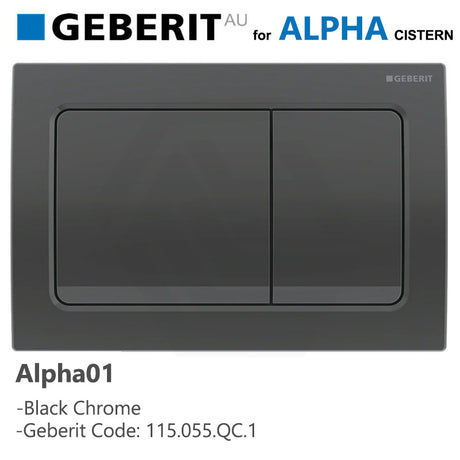
The second type is the high-level cistern, which is common in Australia's older bathrooms. It hangs high above the toilet pan and is connected to the pan by a long flush pipe. The third option is the concealed cistern, also known as an in-wall cistern, which is becoming more and more popular in today's modern designs when installing in wall toilets or wall hung toilets. These cisterns are concealed in the wall with only the flush plate visible, providing a very streamlined and elegant look.
If you're considering a new toilet suite, understanding these options helps you make an informed choice. Each type has its advantages, and the right choice depends on your bathroom layout, design preferences, and budget.

Common Cistern Problems and Solutions
Over the years, I have received many questions from readers with regards to cistern problems and the majority of these questions follow a similar theme. One of the most common problems is when your toilet flush not working properly, this could be a poor flush, incomplete flush or the cistern will not fill with water at all. In most cases, this will be due to a faulty fill valve or a misaligned float arm. The fill valve is a relatively inexpensive part to replace and is a DIY task that most people will be able to accomplish themselves if they are reasonably handy. Alternatively, you can call a plumber who will complete the task relatively quickly and cost effectively.
Another very common problem is the cistern constantly running, this will occur when the cistern is unable to hold its seal or the flush valve is not sealing correctly. This is frustrating but will also be costing you money in wasted water, a constantly running cistern will increase your water bill dramatically. A running cistern usually means you need to replace the flush valve or possibly adjust the float mechanism, sometimes, it could be as simple as cleaning any mineral deposits from the flush valve (if you live in a hard water area). Many Australian plumbers will recommend that you descale your cistern at least once a year, especially if you have noticed the cistern take longer than usual to fill or the flush seems weak.
If you have noticed that there are leaks around the base of your toilet or water appears to be collecting around the cistern, you should take notice. This is a sign that the internal seals may be breaking down and can cause severe water damage to your bathroom floor and subfloor. I would suggest calling a qualified plumber to assist with this problem as you may need to drain the cistern and replace the faulty parts.

Maintaining Your Cistern for Longevity
Ongoing maintenance of your cistern will greatly increase the longevity of the unit and reduce the risk of costly repairs at a later date. One of the simplest forms of maintenance you can complete is cleaning and removing any mineral deposits that may have built up inside the cistern (more common in hard water areas). Once or twice a year, you can complete a flush of the cistern; this is achieved by turning off the water supply to the cistern, completely emptying the cistern and turning the supply back on to fill the cistern with fresh clean water. This will flush out any sediment that may have built up over time.
It is also a good idea to inspect the internal workings of your cistern every year or so. This can be done by removing the cistern lid and inspecting the float arm, flush valve and fill valve. If you notice any corrosion or damage, it is a good idea to replace them before they become a problem and may need to figure out how to remove a toilet if it is heavily damaged. Toilet fill valve replacement and cistern parts are readily available at your local hardware store and are relatively inexpensive.
Another good idea is inspecting your water supply line for any signs of wear or leaks. You should check the valve and the hose for any cracks or mineral buildup every once in a while because it can be damaged over time. None of these tasks take long, but they can save you a lot of hassle in the long run.

Choosing and Installing a New Cistern
Cisterns are readily available in Australia, so if you need to replace yours because of age, damage, or because you want a better one, you can find a good one. So, what is a cistern that best suits a modern bathroo006D? The best answer is a dual-flush one. This type of cistern lets you decide whether to flush the full tank or just a part of it (for liquid waste), thus saving water. This is now standard in most Australian homes and aligns with building regulations around water efficiency.
The installation process depends on the cistern type. Fitting a close-coupled cistern is as simple as bolting it to the bowl. A wall in toilet suite cistern, however, is trickier. You'll need to make sure your wall is properly framed and the plumbing is done right. Unless you have experience with this sort of thing, I'd advise you to call a tradesperson. You'll want to make sure everything is connected as it should be and that you have the right water pressure and a good flush.
I believe it's always best to get a quality cistern from a renowned brand. All the brands you can find in Australian shops have great warranties and their cisterns work great. Plus, they're all made in a way that allows you to replace the parts that might eventually fail. When shopping, look for water efficiency ratings, noise levels, and availability of spare parts. A good cistern should last you ten to fifteen years or more with no problems whatsoever.