23 November, 2026
How to Remove a Toilet Safely: Step-by-Step for Aussies
Learn how to remove a toilet safely, from shutting off water to base bolts, plus when licensed plumbing work is required by law.

A cracked pan, a tired old suite clashing with your new vanity, or a full bathroom reno — whatever's brought you here, pulling out a toilet isn't as simple as unscrewing a few bolts. Knowing what you need to do yourself, and when you need a licensed plumber, is key to avoiding a headache during the process. In short: you can handle the water shut-off, cistern draining and seat removal yourself, but leave the base bolts to your plumber, because disconnecting the pan from the waste pipe is licensed work in every state and territory. Get that split right from the start, and the rest of the job is genuinely straightforward.
Video Credit: Family Handyman
Why, and when, would you need to remove a toilet?
From my perspective talking to builders and homeowners about bathroom design, toilets are usually the last thing on our minds when thinking about a bathroom layout. It's only when something goes wrong, a crack in the toilet pan, the outdated toilet suite clashes with the newly installed vanity, or it's time to remove it before a renovation that most of us ever really think about how to remove a toilet.
Often, it's just aesthetic — the old toilet suite doesn't match the tile and vanity colours going in. Sometimes it's practical, like a cistern that's worn out or a toilet pan that has developed a small crack and it hasn't been noticed because the floor is always wet. No matter why you need to remove a toilet, there's a bit of homeowner responsibility and a bit of licensed plumbing work involved. Knowing what you need to do yourself, and when you need a licensed plumber, is key to avoiding a headache during the process.

What You Can (and Can't) Do Yourself: DIY vs Licensed Plumbing
I always recommend stopping for a moment to think about what you can do yourself when removing a toilet, and when it's time to call in a licensed plumber, because the waste pipe connection is where the rules get strict.
Plumbing work related to the toilet's waste pipe is licensed work in all states and territories (state and territory plumbing licensing legislation). There's no loophole for even the most enthusiastic DIYer, regardless of how many online videos tell you otherwise.
So, you're able to turn off the toilet water supply, empty the cistern, take the seat off and take the top off the cistern. However, the screws or bolts holding the bottom of the toilet in place are for your plumber, and you can't disconnect and reconnect the toilet pan from the waste pipe. That last part is the connection to the sewage drainage system, which is a seal and is a licensed task. Why? Because if you don't reconnect the pan properly, it'll eventually start leaking, and that won't be easy to detect underneath the floor.
If your water shut-off valve is stuck, leaking or just plain won't budge, stop trying to turn it and call a licensed plumber to come and fix it instead of trying to force it with a spanner. It's not fun finding out you have a stripped or cracked valve while the rest of the house is asleep at midnight.

Tools and prep before starting
Before the plumber turns up, or before you start your section of the work, make sure you have a few basic tools to hand: an adjustable spanner, screwdrivers, a bucket, a few old towels, gloves and a torch.
The bolts holding the toilet down are likely to have corroded a little after years of being exposed to a damp bathroom, so expect them to be a little stubborn when your plumber undoes them. Spray a penetrating lubricant on them the night before to help them loosen up. Put some towels underneath the pan because there will always be some water left in the bowl after draining the cistern.

How to Remove a Toilet: Step-by-Step
Once you understand how to remove a toilet in the correct order, the rest is pretty simple. First, turn off the water at the isolation valve located behind or next to the cistern, and flush the toilet to drain as much of the cistern water as possible by holding down the button until all the water drains.
Remove the toilet seat, which is just unscrewed from below the pan, and remove the cistern lid and set it aside in a safe place. Leave the visible pan fixing screws or bolts at the base, often covered by small plastic caps, for your plumber.
Don't touch the toilet inlet valve connection at this time. Disconnecting the water supply fitting, especially if it is leaking or seized, is licensed plumbing work, and your plumber will do this and also break the seal of the pan from the floor or wall outlet (AS/NZS 3500.2:2025). This is where DIY ends and the licensed trade begins, as an improperly disturbed connection can affect the waste system behind the wall or under the slab.

Choosing a Replacement: S-Trap, In-Wall Suites and Valve Upgrades
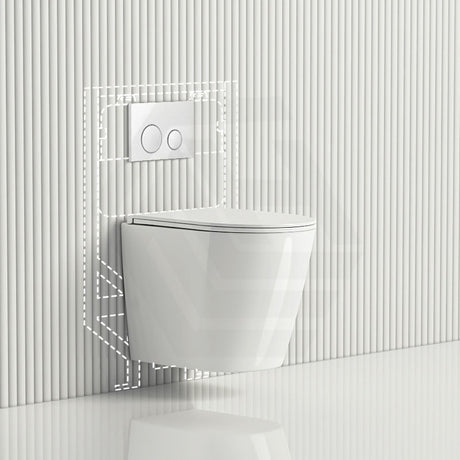
With the old suite removed, you can start deciding on the replacement design. If your existing waste outlet goes to the floor, you'll install an s trap toilet; if the waste goes to the wall, you'll need a P-trap pan. That decision is determined solely by the location of the existing plumbing. For a full bathroom renovation, in wall toilet suites give a higher-end, space-efficient look with the cistern hidden in the wall and just a flush button visible. I like to use those frequently in show homes where powder room floor space is limited. Another part of the new installation should be a new toilet inlet valve, which will ensure that the toilet refills properly for many years to come, and it's worth knowing that this isn't just a quality preference but a legal requirement for whatever your plumber fits. All new replacements must comply with WaterMark certification (WaterMark Certification Scheme), and from 1 May 2026, manufacturers will be required to manufacture only Lead Free WaterMark certified copper-alloy fittings, but installations of products that already have a WaterMark licence may continue until 30 April 2028 (NCC 2025, Volume Three, Part A5). That's another reason to leave the final componentry to your plumber.
References
State and territory plumbing licensing authorities (Building and Plumbing Commission Victoria; Building Commission NSW / NSW Fair Trading; Queensland Building and Construction Commission; Plumbers Licensing Board Western Australia (administered by Building and Energy); Consumer, Building and Occupational Services Tasmania; Access Canberra ACT; Office of the Technical Regulator / Consumer and Business Services South Australia; Plumbers and Drainers Licensing Board Northern Territory)
AS/NZS 3500.2:2025 Plumbing and Drainage — Sanitary Plumbing and Drainage, Standards Australia
WaterMark Certification Scheme, Australian Building Codes Board
National Construction Code 2025, Volume Three (Plumbing Code of Australia), Part A5 Documentation of Design and Construction — Lead-Free Copper Alloy Requirements