

01 April, 2026
How to Install a Bidet: Cost and Requirements in Australia
Learn how to install a bidet in Australia with this easy guide. Covers bidet installation cost, DIY steps for attachments and seats, plus tips for toilet renovations and what you need before starting.

A bidet sounds like a luxury item, doesn’t it? Something you’d only find in a high-end home, or something that would require you to call in a plumber for. But the truth is, if you’re based in Australia, fitting a bidet in your home is easier than you think, and it’s definitely worth the investment. Whether you’re in the process of planning a brand new bathroom, or if you just want to give your current toilet a bit of an upgrade, learning how to install a bidet can genuinely transform your daily routine.
I’ll be the first to admit it: when I first started looking into this topic, I assumed it was going to be a nightmare. But in reality, fitting a bidet is little more than a middling DIY task: it’s not quick, but it’s not rocket science either. That said, as with anything involving water and your plumbing system, there are a few things you need to consider before you get started.
So, what exactly are we dealing with here?
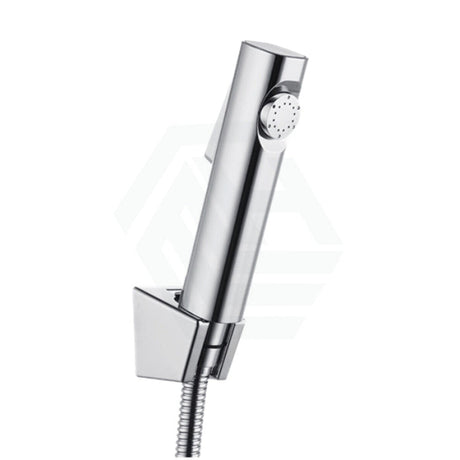
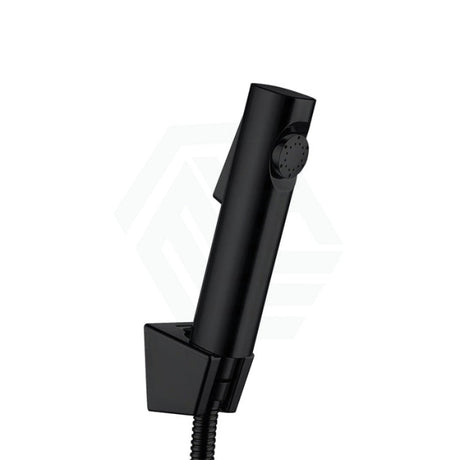
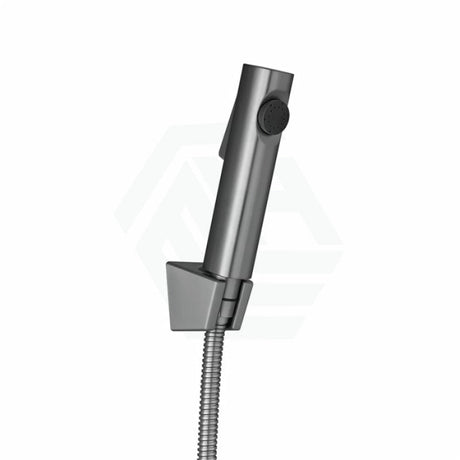
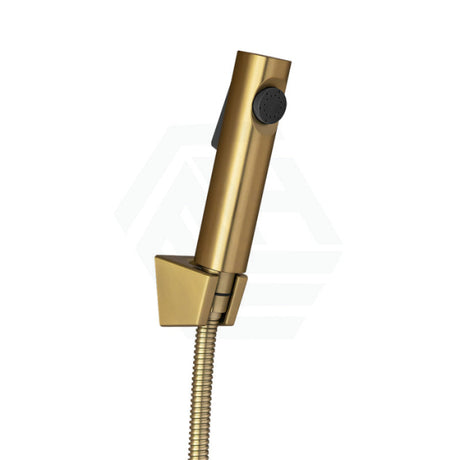
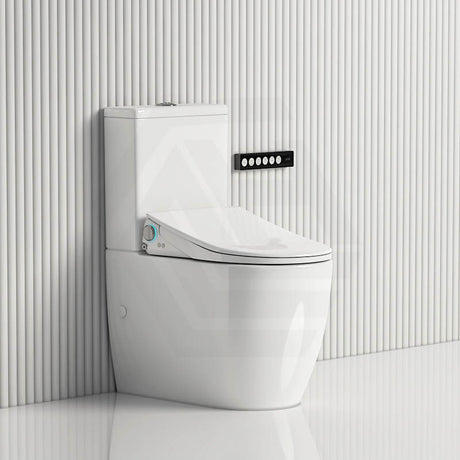
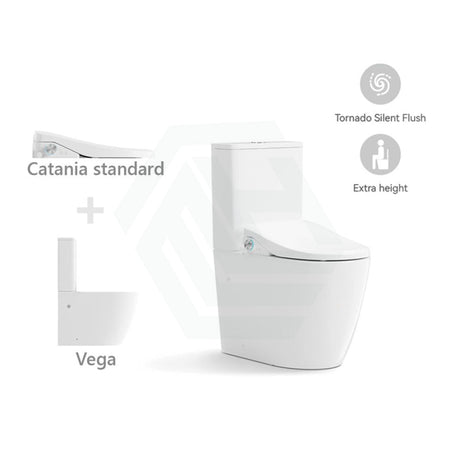
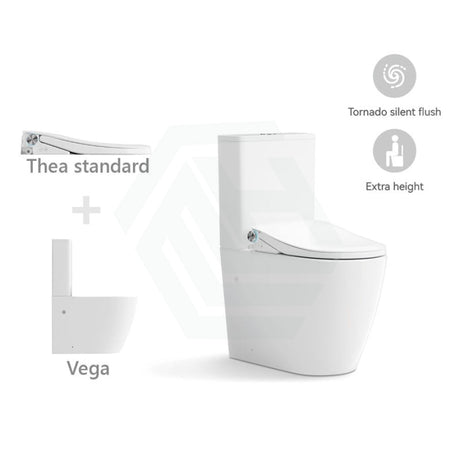
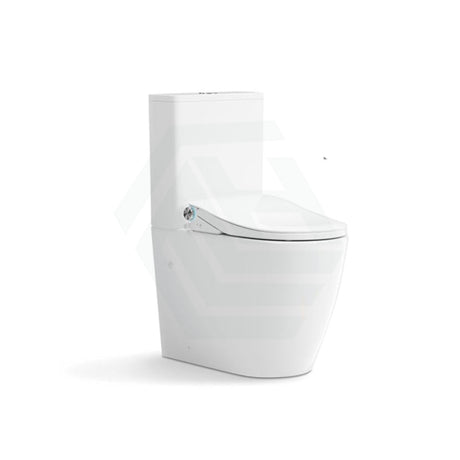
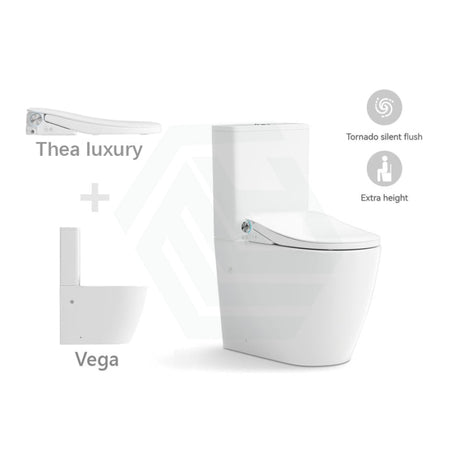
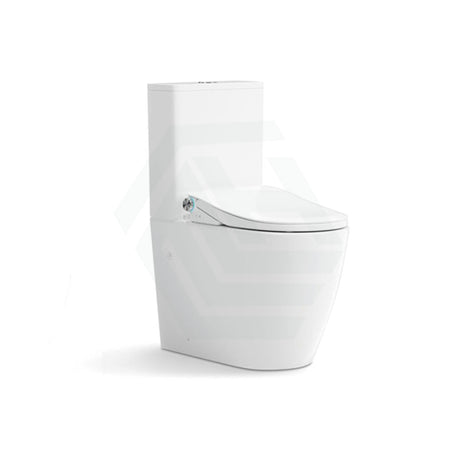
Before I explain how to install a bidet, I should probably clarify what we’re talking about here. In Australia, a ‘bidet’ usually refers to one of three things: a freestanding ceramic bidet (although these are less popular now), a bidet toilet seat (which replaces your existing toilet seat), a bidet attachment (which can be fitted underneath your current toilet seat). These days, most Australians opt for a seat or an attachment: they’re less hassle to install, and they don’t require a full bathroom renovation. They’re also incredibly effective, which is a bonus. The good news is you don’t need to rip your bathroom to shreds. You don’t need to pull the old pipes out or adjust your plumbing system. You simply need to fit a new toilet seat or attach a bidet system to your existing seat. Even if you’re not massively confident with DIY, fitting a bidet seat or attachment is relatively simple. The trickiest part is usually switching off the water supply to your toilet and remembering which way to twist the water connectors. A good quality bidet toilet seat unit should come with everything you need to fit it, including the seat itself, the fitting kit, and instructions.
The cost of a toilet bidet seat varies wildly, depending on the features you want. You can pay anything from $300 to $2000, depending on how many bells and whistles you’re looking for. Do you want a heated seat? That’ll be extra. How about integrated air drying? That’ll be a few hundred more. But you can pick up a good quality, functional unit for much less if you’re not fussed about all the extras. The bidet installation cost varies a lot depending on what features you’re after.

What you need before you start
This is probably the bit where most people come unstuck. Before you even start thinking about how to install a toilet with a bidet, you need to check a few things. First, you need to measure your toilet bowl. Yes, really. Although most bidet seats are universal, some aren’t, and you need to know whether you’ve got a compact, standard or elongated bowl. It’s simple enough to measure: just get a ruler, and measure from the mounting holes to the front of the seat. The bidet will either fit or it won’t, so make sure you get this bit right before you start.
Next, you need to check your water supply. You’ll need access to a cold water feed: most bidet seats and attachments are designed to connect directly to the water line which feeds your toilet. And here’s a practical tip which might sound painfully obvious, but really isn’t: make sure you can actually reach the connections. Some toilets are in cramped spaces or positioned very close to walls and you have to get in and work. Look around before you start. Space is an issue, as well. They’re compact, but if your bathroom is small and your toilet is right up against the wall, you may find that it’s hard to squeeze in. You’ll need to be able to get to the water connections and possibly share the space with another person. It’s a “think before you leap” moment. You also have to decide whether you want to do this yourself or hire someone. If you’ve never unscrewed a water connector, you might want to pay a hundred or a hundred and fifty dollars to have someone do this for you. There’s no shame here. But if you’re at all handy and have a clue about how plumbing works, you can do this yourself.

The actual installation process (it’s not as scary as you think)
So, you’ve measured, you’ve looked at your water situation and you’re good to go. So, it’s time to do it. First things first and I can’t stress this enough: turn off the water. Yes. Look behind your toilet. There’s a little valve right there (it’s usually within reach) and you turn it clockwise. Then go flush the toilet and make sure the water is off. There’s nothing like learning this the hard way. Once the water is off, go ahead and flush the toilet to drain the tank. Now we come to the tricky part, which is getting at the water connector that’s under the tank. This is a flexible hose or a solid chrome pipe. With your wrench or adjustable spanner, loosen this connection. Have a bucket or towel handy. There will be a little water here and there and you don’t want it on the floor.
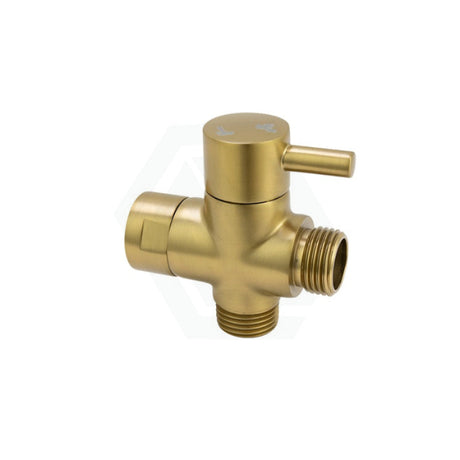
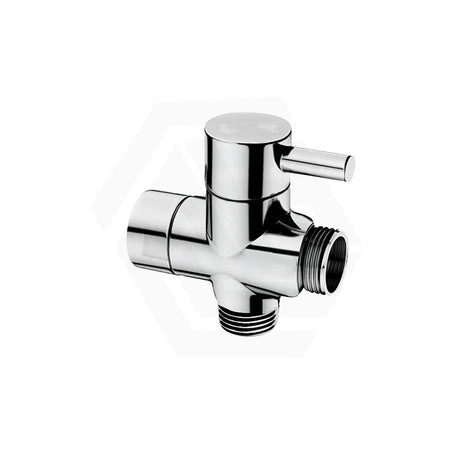
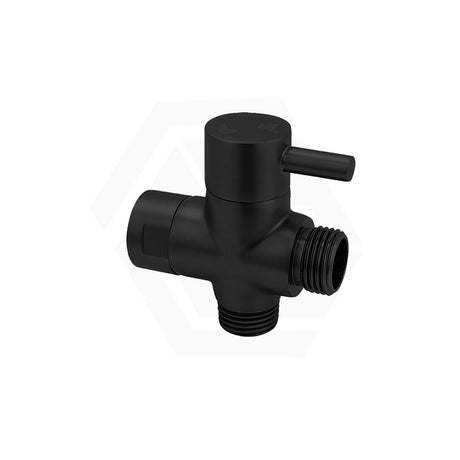
Here’s where things get simple. Your bidet attachment or seat comes with a T valve (it’s like a connector that splits your water supply). You will connect this between the existing connector and the toilet. Screw the old connector back on and then hook the new bidet water supply line up to your bidet unit. It’s pretty much basic plumbing. Everything gets hand tightened and then you use a spanner to tighten it. Don’t overtighten. You’re not trying to crush anything here, just make a seal. When it comes to the seat or attachment, most models are going to replace your toilet seat. Unscrew your current seat and put the new bidet unit in place and tighten it up. Some folks get a little nervous here, but it’s simple. The mounting hardware is designed to fit standard bowl shapes and sizes and you’re just tightening bolts. That’s pretty much it for how to install a bidet.

Getting your toilet renovation ideas together
If you’re looking at bidet installation as part of a larger series of toilet renovation ideas, this is the time to plan. Maybe you’re thinking about replacing your toilet, too, or upgrading your cistern or improving your bathroom configuration. Knowing how to install a toilet (the right way) means you have to think about it in terms of your bidet installation. If you’re taking your old toilet out and putting in a new one, things get a little different. You’ll also want to ensure that the new toilet will work with your bidet, and if you’re installing a new toilet and bidet, it’s worth considering a single toilet bidet unit, as it’s much easier and takes up less space. If you’re installing a smart toilet seat (those with jet spray, heat, deodoriser, and sometimes automatic soft-close lids) then we’re talking about a really advanced bit of kit. And if you’re already in the process of building or renovating a bathroom (say, you’re installing a new vanity, tapware, and maybe even tiles) and you’re thinking of using one of these very advanced bidet seats, then we’re talking about a whole different level of pricing again. These can cost $1500-$3000 or more, but they represent the top of the range in bidet functionality. But if you are renovating, and considering spending money on a new vanity and tapware and maybe some new tiles, then spending money on a good bidet seat is worth it. It’s part of the same mindset that suggests designing a bathroom that actually works, rather than just a functional room that you just kind of tolerate. And if you’re browsing renovation ideas online, you’ll quickly see that bidets are front and centre in most modern bathroom plans.
Do you just want a spray, or do you also want temperature and pressure control? Also consider whether you want electrical elements (a heated seat, or an air dryer, for example). Most bidet attachments don’t need electricity (they rely on gravity-fed water pressure), but some seats do. Make sure you have access to a PowerPoint, and preferably one that’s got a moisture-proof cover, especially if you’re putting it in a wet area.

The finishing touches and what comes after
When you’re all hooked up, turn the water back on slowly, and test all of your connections for leaks. I mean it. Test them. Run some water through and look for drips. It’s a heck of a lot easier to tighten something up now than to wait for a leak to develop later. Don’t pop the champagne just yet, though. Sit on it and give it a test (well, don’t give it a full test. Just, you know. Sit and press the buttons). Make sure the pressure iss adjustable, the temperature’s right, and that everything switches off like it’s meant to. Some units will have a control panel or remote, so make sure you understand how it all works before you’re sitting on the toilet frantically pressing buttons and discovering that you can’t figure out how to turn it off.
A practical consideration to keep in mind is that you will need to keep your bidet clean, and it will need to be serviced occasionally. Most good bidets will have a lifespan of around 5-10 years, but like anything with moving parts and water, they will need a bit of love. Check your manual for advice on how often you should do what. The bottom line is that a bidet is an investment in your comfort. It’s not indulgent or a status symbol: it’s just about making a functional bathroom that works for you and is nice to use.
Now. The question that’s on everyone’s lips. How much does a bidet cost? Well. That depends. You’re looking at anywhere from $200-$250 for a basic mechanical bidet attachment (which includes the hardware to install it, but doesn’t require electricity) to $3000 or more for a fully integrated toilet bowl seat warmer with all the bells and whistles. The bidet installation cost really comes down to what level of features you’re comfortable paying for.