22 December, 2025
Feel and Functionality: How to Renovate a Bathroom Yourself
DIY bathroom renovation guide: Plan layouts, choose vanities, showers & matching tapware for cohesive style. Practical tips for functional, accessible Australian homes.

If you’ve decided that it’s time to throw on an old pair of overalls and get your hands dirty on a bathroom renovation, you’re about to embark on a long journey that can be challenging, fun (at times) and extremely rewarding.
Renovating a bathroom goes beyond just picking a nice tile or paint colour; it’s all about creating a space that suits the desired aesthetic, feels welcoming and suits the needs of those who will inhabit it.
To achieve a successful bathroom renovation, everything needs to work together. The shower, vanity and tapware all lead the way for the space, so making considered choices early can save time, money and frustration later on.
Whether tackling a full renovation or updating a tired bathroom, here’s a practical guide to creating a practical, well-balanced result.

The Drawing Board
Before selecting finishes or products, step back and think about how the bathroom will be used day to day. Is this a family bathroom that needs durability and storage? A compact ensuite where space efficiency matters most? Or a forever home where accessibility, style and comfort are key?
The use case should greatly influence the decisions made throughout the renovation process. Some of the considerations needed are the size of the shower, the placement of the tapware and the number of vanities (and how big).
If the renovation job is part-DIY and part-professional, with some plumbing locations changing, this needs to be solidified well before any DIY renovation jobs can get underway.
This planning stage is also an excellent time to start thinking about storage. While some storage considerations can be added later on down the line, some hidden compartments can be added after sorting out the key fixtures.

Picking the Right Vanity
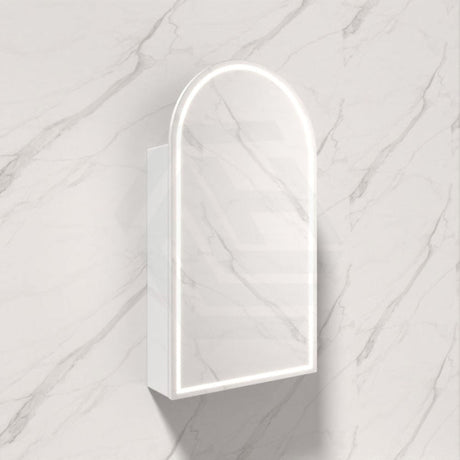
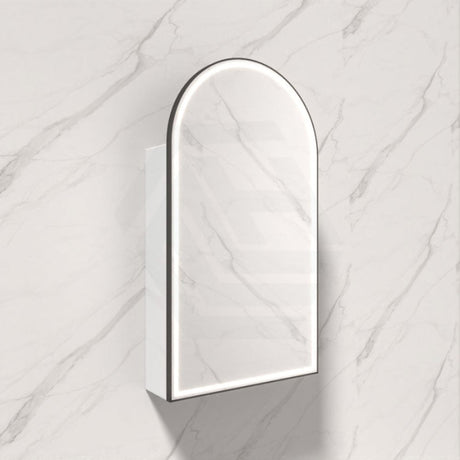
In most bathrooms, the vanity is the centrepiece and the first big step when designing a bathroom. It’s often the largest fixture and sets the visual tone for the rest of the room.
When browsing bathroom vanities, consider not just the look but also the proportions. A bulky vanity can overwhelm a small room, while an undersized one can feel lost in a larger space.
Wall-hung vanities create a modern, spacious feel and make cleaning easier, while floor-mounted designs offer a more traditional look and often extra storage. Timber finishes bring warmth; matte colours feel contemporary and classic white works well if it’s needed to blend in with other elements.
Once the vanity style is locked in, it becomes much easier to select complementary showers and tapware.

The Emotional Number One: The Shower
While not the most visually important element of a bathroom, the shower is one of the most used (and most appreciated) fixtures. After a long, hard day at work, the last thing people want is to have to squeeze into a cramped and paltry shower. So, make sure it’s given its fair share of thought.
The size, shape and enclosure all play a part in the overall design, so it’s critical to explore showers with the room’s layout in mind. For example, walk-in showers are popular for their cleaner lines and accessibility, while corner showers are generally a smarter solution in compact bathrooms.
Additionally, pairing a shower with the right shower screens is equally important. Frameless screens enhance a minimalist look and allow tiles and fixtures to shine (typically suited best to walk-in showers), whereas semi-framed options can add definition and structure.
Matching metal finishes between the screen hardware and tapware helps tie the room together visually. And speaking of tapware…
Tapware: Consistent and Understated, but Just As Important
Bathroom tapware is a small detail that makes a big impact. A wrong decision when it comes to tapware can completely throw off a bathroom renovation.
Consistency is key when choosing bathroom tapware. Mixing too many styles or finishes can make the space feel disjointed, so renovators must decide early whether your bathroom leans modern, classic, somewhere in between or even something outlandish and fun.
For modern bathrooms, three of the more popular options are chrome, matte black and brushed finishes. These styles come in a range of different colours, so there’s plenty of variance here to play around with.
Whatever finish is chosen, the safe bet is to carry it through the basin mixer, shower mixer and any bath tapware for a cohesive result.
Although it’s worth noting that some adventurous renovations have opted for a statement tap or fixture that stands out from the rest of the room’s choice. The statement tap should be a central or key piece (not just one of the shower handles…), so it’s worth keeping in mind during the design stage.
Accessibility and Future-Proofing
Learning how to renovate a bathroom also means thinking ahead. Even if accessibility is not an immediate concern, incorporating thoughtful features now can add long-term value and comfort for those living in the space or any guests.
Having accessible elements like a rail for an accessible shower or disabled tapware doesn’t have to be clinical or stand out from the rest of the room’s aesthetics.
An accessible shower can be both stylish and practical, offering step-free access and generous space without compromising on design. For example, a walk-in shower might suit a larger bathroom and give the space more room, but the wide openness of the design without a step into it makes it perfect for an accessible option.
Similarly, disabled tapware with lever handles can be easier for everyone to use, from children to older family members.

And Finally, Time to Accessorise
Accessories are the finishing touches that complete the space. Coordinated shower accessories, such as shelves, rails and hand showers, not only add functionality but also reinforce the chosen style. Also, matching finishes across accessories, tapware and screen hardware creates a polished, intentional look.
Homeowners should think practically about placement as well. Accessories like recessed shelves aim to reduce clutter on the vanity bench, while adjustable shower rails can cater to different users.
These details may seem minor, but they significantly impact how the bathroom looks and functions every day.
A Cohesive Approach Makes All the Difference
Renovating a bathroom is about more than individual products. When the shower, vanity and tapware are thoughtfully matched, the entire space feels calm, functional and well designed. It can also go a long way in making a smaller space seem larger, giving back some space to the renovator.
By planning the layout, choosing a strong visual anchor (like the vanity), maintaining consistency and considering future needs, a bathroom renovation can be an easier task that doesn’t have to be hard work. It can be a perfect way to build something that truly feels like home for years to come.