

02 April, 2026
Bathroom Modifications for Elderly: A Complete Guide for Australian Homes
Bathroom modifications for elderly Australians: essential safety upgrades including grab bars, non-slip flooring, raised toilets and walk-in showers. Practical guide to prevent falls and support independent living at home.

Why Bathroom Safety Matters for Elderly Residents
Given our aging population, it's now more than ever important to consider home bathroom safety for the elderly. Most Australians wish to stay in their own home instead of moving to a nursing home (and I don't blame them) so we must consider how to make bathrooms a safe space for them to continue independent living. The bathroom is the most dangerous room in the house for the elderly and most serious injuries to the older Australian population stem from a fall in the bathroom. Many of these falls are preventable with careful bathroom modification and planning.Bathroom modifications for elderly Australians should not be confused with simply fitting a couple of grab bars to a bathroom, bathroom modifications involve careful planning to ensure the bathroom is made as safe and practical as possible for the elderly to use with dignity. From bathroom floor selection to bathroom fixture location, careful consideration should be taken for every element of a bathroom renovation for the elderly. This article aims to educate and inform about bathroom renovations for the elderly.Falls in the bathroom are the number one cause of fatal and non-fatal injuries to the older Australian population. The risk of falling increases dramatically after the age of seventy. The risk of falls in the bathroom is high due to wet floors, heavy bathroom fixtures, decreased mobility and generally poor bathroom lighting. The majority of my clients that have had a fall in the bathroom and required a bathroom modification have since had complications stemming from hospitalisation, decreased mobility and even loss of independent living which has never been regained.In addition to the complications that can stem from a fall in the bathroom, many Australians over the age of 70 will fear a bathroom fall and thus avoid showering and going to the toilet. Unfortunately, this can lead to other serious health complications.
Essential and Common Bathroom Modifications
Fortunately, many bathroom modifications can be made to greatly reduce the risk of falls in the bathroom. Having worked in the plumbing industry for over 20 years, I can confidently say that most bathroom modifications for elderly people are not overly complicated or expensive when properly planned. Bathroom modifications for elderly residents generally involve improving the bathroom's floor slip resistance and ensuring the bathroom is easy to move around. Most recommended modifications are those that offer the best improvements in bathroom safety. A walk in shower or low-profile shower base are excellent bathroom modifications to undertake as it eliminates the high step of a traditional bathtub. The inclusion of a grab bar is one of the simplest and most important modifications that can be made to a bathroom for an elderly person. Many people will consider fitting a bathroom grab bar themselves but unfortunately, most of the time this will not be done correctly. I have seen many bathroom grab bars fitted to bathroom plasterboard walls without being secured to the wall stud. This will render the bathroom grab rail useless in the event it is grabbed onto to steady oneself.A grab rail is another obvious must have item when creating a bathroom for the elderly, these are usually quite obvious but for completeness let's cover them here. The difficulty with the average toilet is getting on and off. This places a fair amount of strain on the hips and knees and raising the seat height makes this easier. Understanding standard toilet dimensions is important when selecting a raised seat, as the fit will vary between different toilet models. Nonslip flooring is another essential consideration. Water and bathroom floors are a bad mix. Nonslip flooring is a must in any bathroom. I don't think you can overstate how important good quality nonslip flooring is in a bathroom.In Australia we don't spend enough time thinking about lighting when renovating bathrooms. Lighting is important as many elderly people have poorer eyesight, especially in low light conditions. Motion sensor lights near the toilet are also important as night visits are common and there is no need to fumble around in the dark.

Critical Areas: Flooring, Fixtures, and Layout
The bathroom floor is the key to a safe bathroom and as such choosing the right floor is important. Nonslip floor tiles with their textured surface provide real protection when they are soaking wet. I want to say here that nonslip is not a standard. Some floors are more slip resistant than others and the slip resistance rating should be requested when comparing products.Bathroom layout is also important. Fixtures need to be laid out in a way that allows for reduced mobility and space for walking frames and the like. Being aware of ambulant toilet dimensions is also important here, as accessible toilets require more clearance than a standard installation. The shower should be located conveniently relative to the toilet and wash basin. This will reduce the amount of walking required for an unsteady person when they are wet. Strategic space-saving solutions, such as a corner vanity in bathroom layouts, can improve both accessibility and functionality. These designs help free up central floor space, making it easier for elderly users to navigate safely without obstruction. At this point I will say that the services of a designer or experienced tradesperson with a good understanding of bathroom design for the elderly is money well spent. Many of the decisions made at the design stage will affect the usability of the bathroom for many years to come.Lever taps are far easier to use than standard taps for people with a weakness in their hands or fingers. They are also easier to use with wet hands. Thermostatic mixing valves mean that the water temperature cannot get too hot. Elderly people may not notice the change in water temperature as quickly as others. This collection of small things add up to make the bathroom a much nicer and safer place to be.

Planning Your Modifications and NDIS Funding
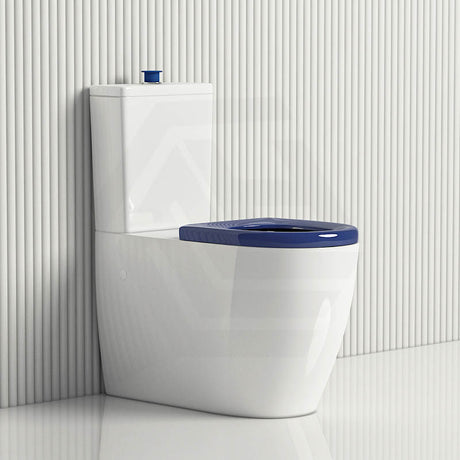
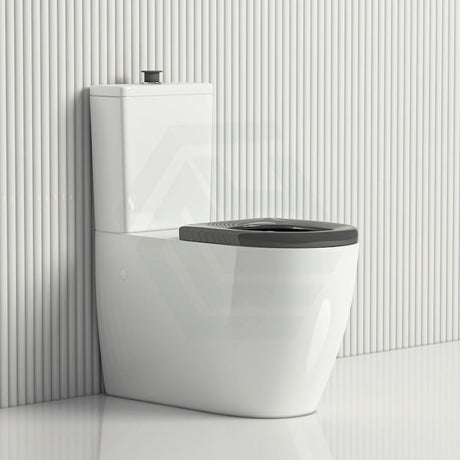
The cost of a bathroom renovation for the elderly can be a significant factor for many Australians. If the person, the bathroom is being designed for is a participant in the National Disability Insurance Scheme (NDIS) bathroom modifications may be partially or fully funded as part of their support package. This makes many of the modifications that make the bathroom a nicer and safer place to be affordable. Using a provider that has plenty of experience with the NDIS process and knows what is required to get funding for NDIS bathroom modifications is a big advantage here. The NDIS process is complicated and time consuming and getting help is recommended.There are other sources of funding available. Some state governments offer grants or subsidised loans for bathroom renovations for elderly residents. These schemes vary from state to state and have different eligibility requirements. If NDIS funding is not available, then staging of the works can also make the renovation more affordable. Starting with the highest priorities for improving safety makes the most sense here. From my experience, I would suggest you work with a contractor that has experience in both the technical and funding aspects, as this will make the process easier.Do not sacrifice quality and durability in your product selection simply to meet the lowest price requirement. Although a back to wall loo may be more expensive than a standard unit, many times the additional cost is offset by the enhanced appearance, ease of cleaning and overall durability of the unit. The same applies when considering a toilet and bidet combination for an elderly bathroom, as the additional hygiene benefits are well worth the investment. A back to wall toilet provides a cleaner profile that is easier to maintain and works well in modified bathroom spaces.

Professional Installation and Project Planning
Bathroom modifications for elderly residents should always be done by those with experience in the technical arena as well as an understanding of the needs of the elderly. Unqualified bathroom modifications can be dangerous, both from a safety aspect and a longevity of the provided service. The proper installation of grab bars requires a good understanding of the makeup of the wall and the location of the load bearing timber studs. Bathroom waterproofing is tricky and unforgiving, a poorly waterproofed bathroom will produce moisture related problems and mould that will affect the building structure and its occupants for years to come. As a tradesperson that has worked in the plumbing industry for many years I can confidently say that using unqualified labour to undertake your bathroom modifications is a false economy.Always get quotes from prospective contractors before you engage in their services, a good quote will always outline the work to be undertaken, the time required to undertake this work and the total cost. Ensure that the contractor visits the site and provides a detailed scope of works that is relevant to the individual's mobility impairment. I would also like to add that a good tradesperson will not only discuss the product to be installed but will explain why and how it will benefit the individual, whilst also explaining the operation of any new fixtures or fittings.