

13 May, 2026
Powder Room Design Ideas: Create a Memorable First Impression
Get the best powder room design ideas for Australian homes. Bold colours, smart layouts and sizing tips for your smallest room.

Video Credit: Archivizart
What Is a Powder Room and Why Dimensions Matter
Powder room design can be great fun. It's the smallest room in the house and is often the most frequently visited room by guests. As a result, this is the perfect opportunity to take some design risks, experiment with a bold colour palette or splurge on something that might not be practical in a bigger room.
Before you start on all of that fun, it is vital to understand what a powder room is. A powder room is a small WC containing only a toilet and basin, with no shower or bath. Understanding this will help determine what you decide to do next with the space. Standard Australian powder room dimensions vary from a minimum of 900 mm × 1200 mm to a more comfortable 1200 mm × 1500 mm. It is small, sure, but not unworkable.
However, you do have to allow for proper clearances. Under the NCC 2022 Livable Housing provisions, a powder room requires a 900 mm × 1200 mm clear zone (NCC 2022, ABCB Housing Provisions, Part 12.2) in front of the toilet pan and an 820 mm minimum clear door opening. Measure these out right from the start, before you decide anything else on a powder room layout, and ensure your selected vanity or basin won't conflict with any clearance requirements. Once your measurements and clearances are confirmed, your fixed dimensions are your starting point. Here's how you can get started with your own standout powder room design ideas.

Powder Room Design Ideas That Create a Visual Statement
The best powder room design ideas commit to their own concept and don't settle for safe, forgettable colour palettes (unless you're prepared to go all out with a really stunning neutral). Try a feature wall in Onix glass mosaic tiles, or perhaps an extra-large mirror that reads more like a work of art than an accessory.
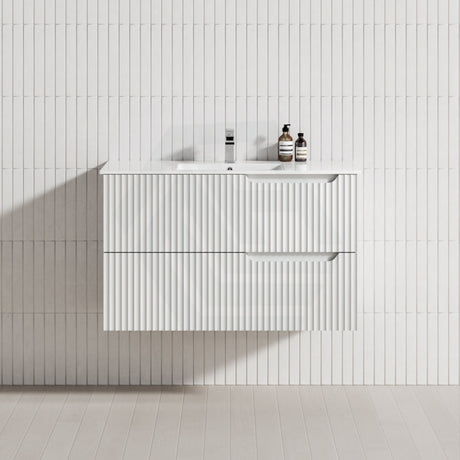
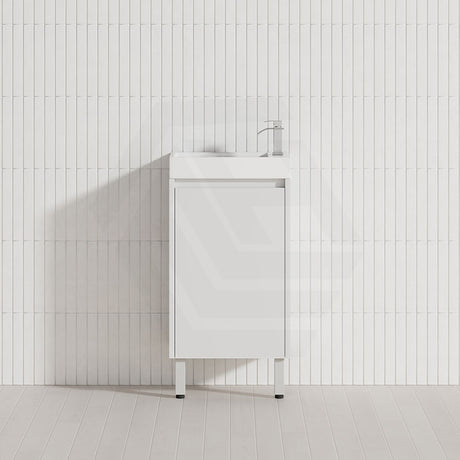
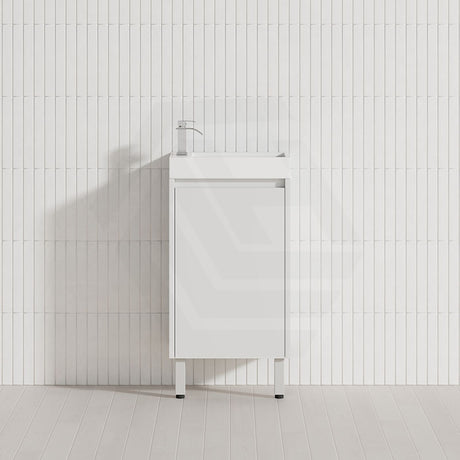
Don't discount the advantages of a wall-hung basin in a powder room. The lack of a traditional vanity cabinet base allows the floor to show more and visually expands the room. If you need to add a vanity, ensure it doesn't extend beyond 600 mm in width, or it can become a cramped feature in a minimum-sized powder room.
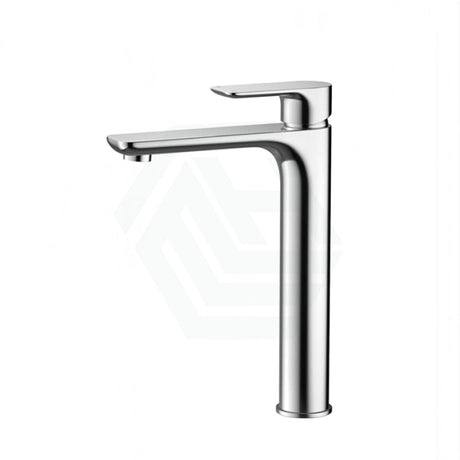
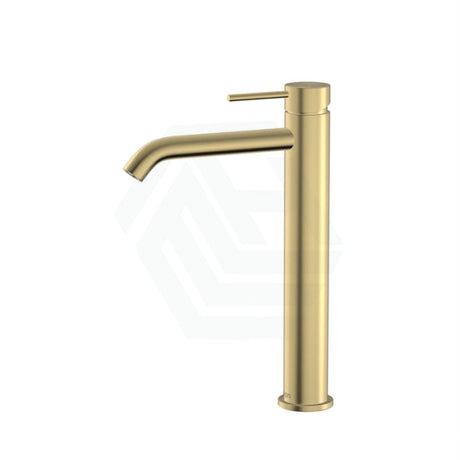
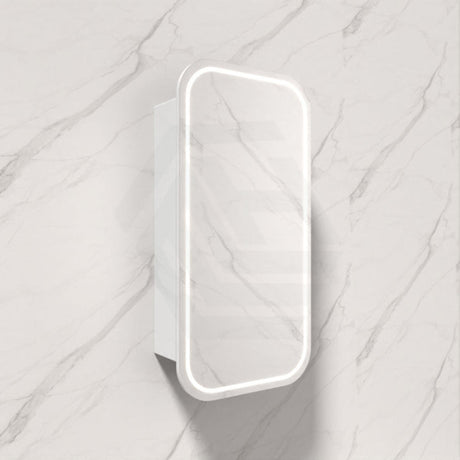
One of the most common design mistakes I witness relates to mirrors. A vanity mirror should match or be narrower than the basin or vanity width; in a smaller space, wider mirrors can start to compete with everything else rather than complement. The extra visual drama created by an above-counter vessel basin works well in powder rooms, but note that this basin type requires a taller basin mixer rather than one with a shorter spout.
After deciding on your layout and feature components, the next step is determining the right colour palette for your space. This is crucial in such a compact setting where the wrong shade or finish can visually contract the room or cause maintenance headaches in the long term.

Choosing the Right Bathroom Colour Schemes for a Small Space
Bathroom colour schemes for powder rooms work differently to larger bathrooms. Light reflectance value (LRV) matters most here. Opting for light colours with an LRV of 70 and above bounces light around the room and makes the walls recede. While darker colour palettes can work well in these spaces (I love a deep charcoal or inky green powder room), you want to ensure there are plenty of strong artificial lighting options plus a reflective tile or high-gloss surface to help counteract a corridor effect.
Finish choice also impacts not only aesthetics but also the practical upkeep of the room, as a semi-gloss or satin painted finish is more moisture-resistant than a flat or low-sheen paint. This is something to keep in mind for many bathrooms and powder rooms without an internal window in Australian homes. When it comes to tiling floors, fully vitrified porcelain is generally the top recommendation for its slip-resistant and durable qualities.
While colour sets the stage, the vanity is truly the functional centrepiece of a powder room — the choice of materials and sizing will have the greatest influence on cost and long-term usability. Most powder room renovations take between two and four weeks to complete, though lead times for wall-hung vanities and specialty tiles can run four to eight weeks, so plan your order early.

Vanity Selection: Materials, Sizing, and Practical Considerations
There are two distinct components to a vanity and it's crucial not to mix these up: the cabinet/base and the top/basin surface. They are made of different materials, have different price ranges, and need different maintenance.
For the cabinet, Lukka offers a range of wall-hung units from 400 mm wide. Aulic also makes a range of wall-hung vanities — Australian-made with premium plywood construction — which is a very sound option. PVC cabinetry is truly waterproof and is a great choice for an already humid room. Note that MDF is not waterproof; powder rooms don't have showers but still tend to get moist. Wall-hung cabinets also make floor cleaning easier and help a smaller room feel less closed in.
For the top, there is a choice of ceramic, engineered stone, or natural stone. Ceramic bathroom vanity tops are the most budget-friendly and require the least maintenance — they don't stain and clean easily. Engineered stone bath vanity tops are a step up in quality and price but offer an even, consistent finish and good durability. Natural stone is beautiful but needs regular sealing as it is porous. Whatever basin and tapware you choose, make sure it carries WaterMark certification (WaterMark Certification Scheme), because non-certified products cannot be approved by local water authorities.
Once you have decided on your vanity top, everything else — the taps, lighting, and storage — is where things either look fantastic or fall short.

Finishing Touches: Fixtures, Storage, and Final Powder Room Ideas
Your tapware finish is a significant decision. Matt Black is currently the most popular choice and looks sleek in a compact space like a powder room. Brushed Gold and Brushed Nickel also read as warm and luxurious. Meir specialises in both Matt Black and Brushed Gold finishes and offers quality products across both ranges. Gunmetal Grey is another finish worth considering — a dark neutral that feels less predictable. Once you have selected your finish, commit to it across all accessories: towel rail, toilet roll holder, and robe hook.
Powder room storage is generally limited. If you have space in the walls behind your toilet cistern, building a recessed niche is the best option; however, this requires a licensed tradie to ensure it is safe and fit-for-purpose. Floating shelves mounted on the wall above the toilet are a simpler addition that works with most rooms. And if you are considering a warmer cabinet finish, a timber vanity can introduce a natural softness to a powder room where most surfaces are hard — a timber finish contrasts nicely against white or near-white wall tiles. Mechanical exhaust ventilation should also deliver at least 25 litres per second to keep the toilet compartment fresh and compliant.
A final note on plumbing: all tapware and basin installation must be carried out by a licensed plumber (AS/NZS 3500.2). Once the work is complete, they are legally required to issue a compliance certificate under state plumbing licensing legislation (state plumbing licensing legislation) for any works performed in your home. Hardwired LED mirrors must be installed by a licensed electrician. These are mandatory requirements across all states and territories of Australia. Hopefully these powder room ideas give you a strong starting point for a space that genuinely wows your guests.
References
National Construction Code 2022, ABCB Housing Provisions, Part 12.2 Livable Housing
WaterMark Certification Scheme, Australian Building Codes Board
AS/NZS 3500.2 Plumbing and Drainage — Sanitary Plumbing and Drainage, Standards Australia
State plumbing licensing legislation (VBA Victoria; Fair Trading NSW; QBCC Queensland; Building Practitioners Board WA; CBOS Tasmania; ACTPLA ACT; Building & Energy SA; ABPB NT)