17 September, 2026
Elongated Toilet Bowl Size vs Round: What Fits Aussie Homes
Understand elongated toilet bowl size vs round bowl dimensions. Compare key measurements to find the right fit for your Australian bathroom.

Standing in a showroom surrounded by toilets that all look subtly different — one more oval, one more compact — can feel genuinely overwhelming. Here's the short answer: round bowls measure 420–440 mm front-to-back, elongated bowls measure 460–490 mm, and that 40–50 mm difference is what determines whether your new toilet fits comfortably or creates a circulation headache. If your usable bathroom depth is under 1,500 mm, a round bowl is almost certainly the smarter choice; for larger bathrooms, an elongated bowl delivers noticeably better comfort — and brands like Kohler, Fienza and Poseidon offer excellent options across a range of budgets.
Video Credit: The Weekend Handyman
What Elongated Toilet Bowl Size Actually Means
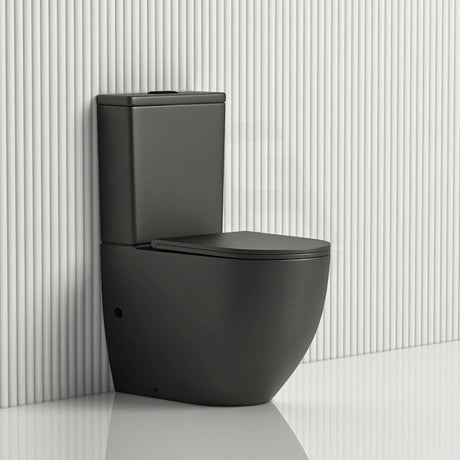
Have you ever been browsing through a showroom of toilets, feeling puzzled about how the toilets look slightly different in their shapes, with one looking more oval and another looking more egg-shaped? It's common to hear this question in Australia when purchasing a new toilet or simply trying to understand the specifications of a particular toilet model. You may also see elongated toilets described as oval or egg-shaped by different suppliers when searching online.
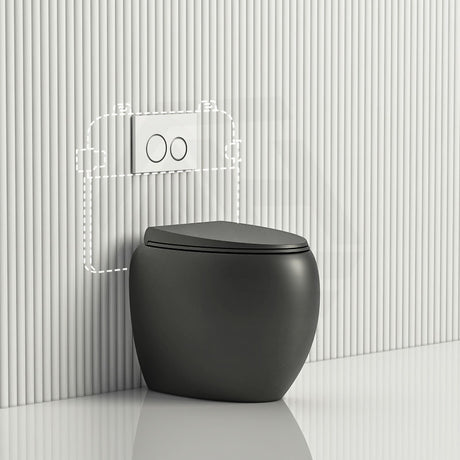
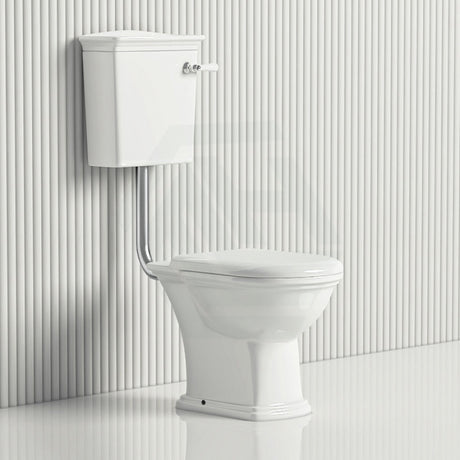
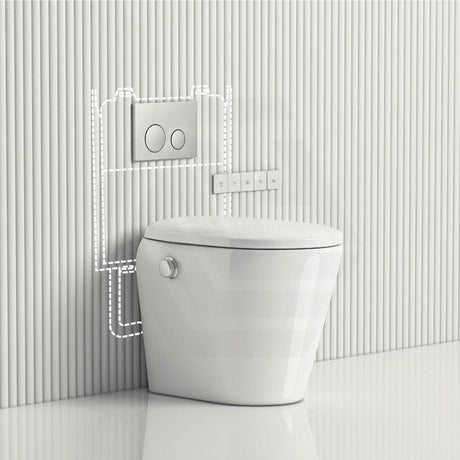
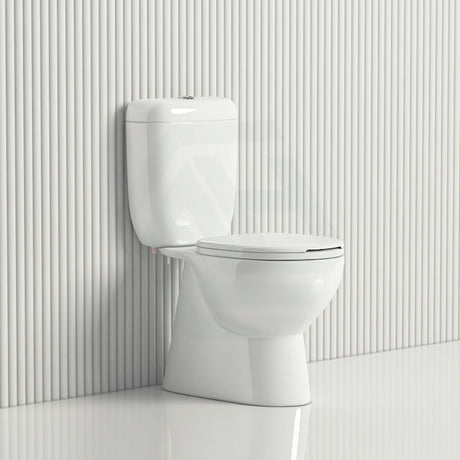
What exactly does elongated toilet bowl size mean? In the simplest of terms, it refers to the distance from the rear of the rim to the very front of the toilet pan. Most elongated bowls extend 460–480 mm from rear to front, with round bowls being marginally smaller. The easiest way to identify this measurement on a specification sheet is to look for the pan length or bowl depth, which refers to the overall dimensions of the bowl.
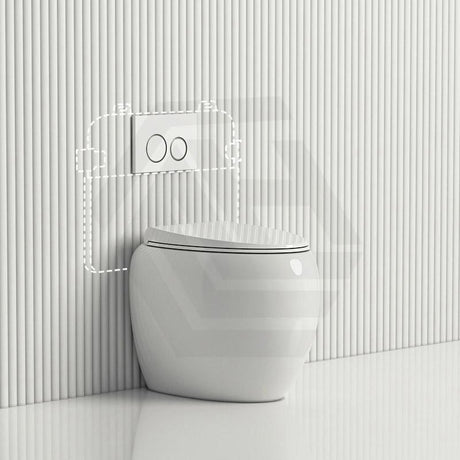
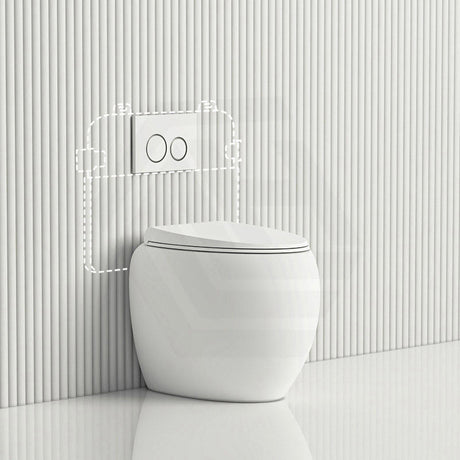
It's worth noting that these terms are synonymous in Australia. Elongated, oval and egg-shaped toilets all describe the same toilet bowl shape. Different manufacturers use different terminology, but they are all the same shape.

Round vs Elongated: Key Measurements Compared
Now that we know what an elongated toilet bowl size means, let's look at some figures.
| Measurement | Round Bowl | Elongated Bowl |
|---|---|---|
| Front-to-back depth | 420–440 mm | 460–490 mm |
| Width | 355–380 mm | 355–380 mm |
| Total pan length (with cistern) | 650–700 mm | 700–750 mm |
| S-trap setout (wall to pipe centre) | 180 mm (most common; also 160 mm and 140 mm; adjustable pans ~100–180 mm) | 180 mm (most common; also 160 mm and 140 mm; adjustable pans ~100–180 mm) |
| P-trap setout (wall outlet) | 185 mm | 185 mm |
Round toilet bowls measure 420–440 mm front-to-back, and elongated bowls measure 460–490 mm — meaning there is about 40–50 mm more of the toilet projecting into the bathroom. In terms of width, both types measure around 355–380 mm. The setout for an Australian S-trap (measured from the finished wall to the centre of the floor outlet) is most commonly 180 mm on myhomeware, though Caroma recommends 140 mm and adjustable pans cover roughly 100–180 mm, while a P-trap (wall outlet) is measured as a height of 185 mm from the finished floor to the centre of the wall outlet. Regardless, the setout doesn't change depending on the bowl shape.
A standard adult back-to-wall toilet suite, with cistern included, typically has a total pan length of 650–750 mm. Elongated pans tend to fall towards the higher end of this range. Junior toilet pans measure 480–635 mm in total length, giving you an idea of the space required to install them.

Bathroom Space Requirements for Each Bowl Shape
It's important to factor in the amount of space you have in your bathroom before choosing between an elongated or round bowl.
The NCC 2025 Livable Housing Design Standard requires a clear circulation area of 1,200 mm by 900 mm to be provided from the front edge of the toilet pan, and that a sanitary compartment be no less than 900 mm clear width between opposing finished wall surfaces. This front clearance dimension is where an elongated bowl's extra projection starts to matter enormously in a tight ensuite or powder room.
The most common mistakes people make when planning toilet placement are: not considering that the door swings open into the area measured for the toilet's footprint; or measuring the rough-in space without adding the full depth of the pan. Either of these mistakes will cause problems on installation day.
If your usable bathroom depth — measured from the back wall of the cistern to the opposite wall or face of the shower screen — is under 1,500 mm, a round bowl is almost certainly the smarter choice.

Choosing the Right Bowl Shape for Your Aussie Bathroom
Once you've established the amount of space you have for an elongated bowl, you're ready to decide which style best suits your bathroom by weighing up comfort, price and certification.
Elongated bowls are more comfortable for the majority of adults and are generally the preferred shape of higher-end and smart toilet suites, which start from around $1,619. Round bowls are a better option for powder rooms and other bathrooms where space is tight.
In terms of price, an elongated toilet bowl size is generally $50–$150 more than its round counterpart. Kohler, Fienza and Poseidon all offer elongated toilet bowl size options across their mid-range and premium ranges. All toilets sold in Australia must have WaterMark certification and must be registered to the WELS scheme. A 4-star WELS rating indicates that the toilet uses 4.5 litres on a full flush and 3 litres on a half flush. To find out more about oval toilet options, check out the oval toilet range on myhomeware.

Installation, Seats, and Practical Buying Tips
Now that you've decided on the right toilet bowl size for your bathroom, there are a few more things to think about regarding installation and accessories before you call the plumber.
Make sure you know what type of trap you have and the setout before you buy. Not sure whether you have an S-trap or P-trap? Let your plumber check. The toilet pan must match the drain in order for it to fit.
One crucial tip: if you've opted for an elongated pan, don't buy a round toilet seat — and vice versa. Toilet seats are a separate accessory that sit on top of the toilet pan; they must match the bowl shape, not substitute for it. An elongated toilet seat will not fit onto a round toilet pan, and a round seat will not fit onto an elongated pan. This is particularly important if you're considering a smart seat upgrade. Retrofitting a smart seat cover starts from around $80, so confirm that your toilet seats match the elongated toilet bowl size before purchasing.
Only a licensed plumber can install a toilet suite — every Australian state and territory requires it under its plumbing licensing laws. Allow around $150–$300 for a straightforward installation, and make sure the suite has WaterMark certification before purchasing.
References
National Construction Code 2025, ABCB Livable Housing Design Standard, Part 3 Internal doors and corridors and Part 4 Sanitary compartment
AS/NZS 6400:2016 Water efficient products — Rating and labelling (incorporating Amendment No. 1:2022 and Amendment No. 2:2022), Standards Australia
AS/NZS 3500.2:2025 Plumbing and Drainage — Sanitary Plumbing and Drainage, Standards Australia
WaterMark Certification Scheme, Australian Building Codes Board