09 November, 2026
Outdoor Drainage Guide: Patios, Pool Surrounds and Wash Areas
Plan outdoor drainage correctly for tiled patios, pool surrounds and wash-up zones with proper falls. Read our Australian guide for lasting results.

Drainage usually becomes an afterthought - raised only once the paving's down, which is precisely when trouble starts. There's a simple fix here: work out your falls before you lay a single paver. A drop of at least 50 mm over the first metre away from the house is required, but in low intensity rainfall zones, impermeable surfaces like concrete or clay pavers only need 25 mm. Patios, pool surrounds and wash areas each behave differently where water's concerned, so none of them should be treated the same once the basics are sorted.
Video Credit: Pavestone TV
The importance of outdoor drainage
Paving without proper drainage turns slippery as water pools on it, often flowing back toward the house instead of away from it. I still remember a gorgeous tiled alfresco - submerged after one big storm, simply because nobody had thought through the drainage.
Tearing up paving down the track to fix drainage will cost you far more than getting it right the first time. It's not just unsightly - pooled water damages paving and stonework, breeds algae, and eventually finds its way under the slab or past the waterproofing. Get your slopes and drains sorted before the build starts!

Falls and where the water goes
Start with the spirit-level check.
Check the fall with a spirit level or straightedge along the ground away from the house - it should keep dropping the whole way, not flatten out or reverse part-way (NCC 2025, ABCB Housing Provisions, Part 3.3). Check the floor level sits above the external paving before building starts - that way a backdoor drain isn't left patching over a design flaw. Falls and levels are only part of it; once water leaves the surface, where it ends up is the next question.
Stormwater pipes tied into the house need a licensed plumber for installation, governed by (AS/NZS 3500.3:2025).
There is a misconception that all drainage is the same. There are two types of drainage on your property and you shouldn't mix the two. Roofs, patios and paved areas all shed stormwater, and that water has to end up wherever your local council allows. Outdoor showers, washing up basins and pool backwash all produce wastewater, which usually needs a sewer connection. Water authorities and councils all have varying requirements for pool backwash and outdoor shower drainage. Your plumber will know what is appropriate to discharge where.

Tiled patio and alfresco floors
Drainage on a tiled floor doesn't have to take away from the aesthetics of the floor. With tile insert grates, the grate takes a piece of tile within it so it becomes almost invisible and the tiling flows through it uninterrupted. Check the maximum tile thickness listed on the product page before you order.
Ask your builder or certifier whether a threshold detail's needed at doorways, between the internal floor and the external paving. There's also a standard worth knowing beyond the threshold detail - it governs how tiling and substrate meet around the grate. Tiling (AS 3958:2023) covers substrate preparation, movement joints and floor slopes, with one section dedicated to pools. Laying the tiles yourself is fine, but floor waste and the stormwater connection are licensed plumbing work - bring your plumber in before the tiler sets out the floor.

Pool surrounds
Pool surrounds stay wet underfoot most of the time, so slip safety matters - decide grate positions with your builder or landscaper based on where the water actually flows.
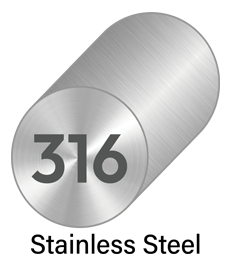
Don't forget to review the slip rating of any pool paving or tile (it is tested to AS 4586:2013 and is listed on the product page). A higher P-rating is commonly chosen for wet areas generally, though neither the NCC nor any standard specifies a minimum slip rating requirement for residential pool surrounds, so it's largely a case of best practice. There are many types of pool drainage grates on the market, some made of anodised aluminium that are UV resistant and backed by a non-corrosive warranty. Others are made of 316 stainless steel. Make sure you choose a grate with the appropriate outlet size for your pipe and hire a licensed plumber to install and connect it.

Wash-up zones and outdoor showers
Water brought outdoors has to go somewhere - and this is exactly where planning tends to fall short.
Before the tiles go down, you'll need to specify tapware for any outdoor shower or wash-up area - 316 stainless steel fittings like a wall mixer, basin mixer or spout - along with the floor waste, not after. A mixer requires both hot and cold water supplies, whereas a wall spout only serves as an outlet and requires a separate mixer. Also consider the location of the inlet relative to your existing pipework. Make sure to discuss all of these issues with your licensed plumber prior to the installation of any fixtures. If you decide to provide hot water to your outdoor shower, your licensed plumber will fit a tempering valve to limit the outlet temperature. Shower and wash-up water is classified as wastewater and cannot enter stormwater systems, so speak to your plumber regarding the appropriate disposal method. When selecting outdoor tapware mixers and spouts, opt for 316 stainless steel finishes and be mindful of the warranty; corrosion resistance and maintenance requirements can vary significantly depending on the finish.
References
National Construction Code 2025, ABCB Housing Provisions, Part 3.3 Drainage, Australian Building Codes Board
AS/NZS 3500.3:2025 Plumbing and Drainage — Stormwater Drainage, Standards Australia
AS 3958:2023 Installation of ceramic and stone tiles (incorporating Amendment No. 1:2024), Standards Australia
AS 4586:2013 Slip resistance classification of new pedestrian surface materials (incorporating Amendment No. 1:2017), Standards Australia