25 February, 2026
Converting Shower to Tub: What to Consider
Transform your shower into a relaxing bathtub with key considerations like space, bathtub type and waterproofing compliance. Discover if this renovation is worth it for your bathroom and home value.

An increasing number of newer homes are built with walk-in showers rather than bathtubs. Builders install walk-in showers because they take up less space and are more popular with modern homeowners.
However, nothing beats lying in a bathtub and soaking in a nice, relaxing bath. It is a great way to ease the tension in your muscles after a hard day’s work. That is why some people are choosing to revert to the traditional method of washing and cleaning themselves by installing a bathtub.
Key Considerations for Shower-to-Tub Conversions
A shower-to-tub conversion is a large renovation project that requires careful planning and considerations based on the plumbing, structural support, and space needed. You will likely have to move or tear down walls to make room for the new tub in your existing shower space.
Some of the steps involved in the conversion process involve DIY tasks, but not all of them. It is important to consider everything needed to ensure a successful shower-to-tub conversion.
Here are the five most recommended considerations below:
1. Choose a Bathtub Type
What type of bathtub would you like to install in place of the shower? The three primary options include:
- Alcove Tubs – An alcove bathtub is built or fitted into a three-wall enclosure. Most modern bathrooms with bathtubs use alcove tubs because they are affordable and convenient to use in combination with a shower. The three walls also reduce the amount of water spillage on the floor. If you have enough space available, you could add the alcove tub to your existing shower area while still keeping the shower.
- Drop-In Tubs – A drop-in bathtub is a tub installed inside a framed enclosure with a rim surrounding it. You can only see the interior of the bathtub after “dropping it” into the enclosure. Because of this, these tubs are easier to clean and give you more customization options for the exterior aesthetics.
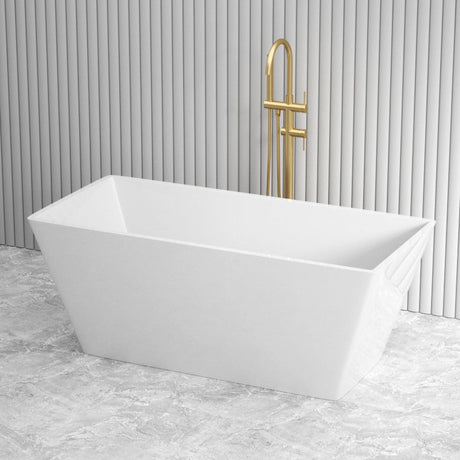
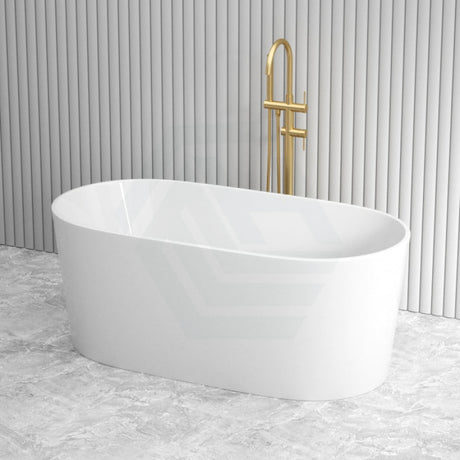
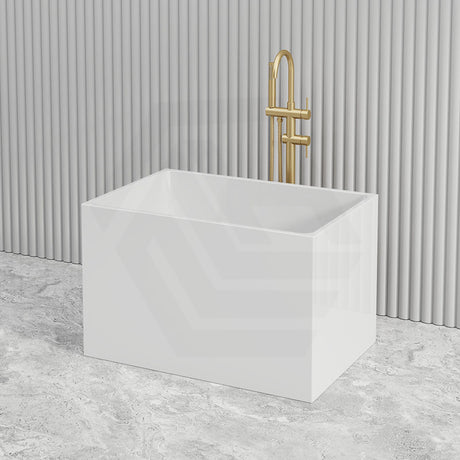
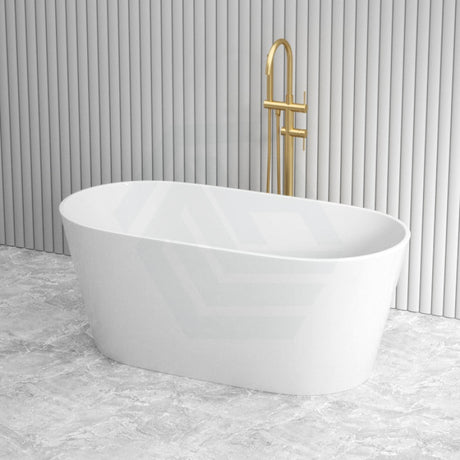
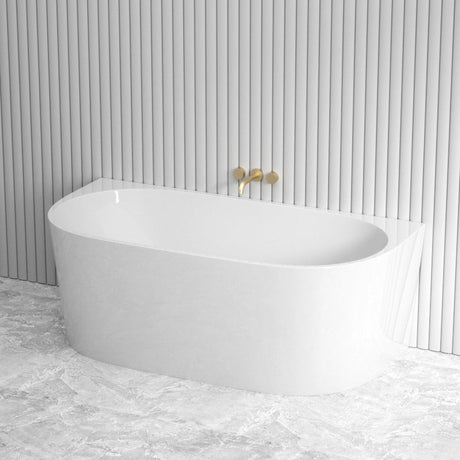
- Freestanding Tubs – A freestanding bathtub is an independent tub with four free sides that are not attached to any walls or alcoves. It is the most flexible tub option because you can place it anywhere in the bathroom. Homeowners find that freestanding tubs offer a luxurious, spa-like aesthetic and narrower sides for a more spacious feel.

2. Assess the Space
Is there enough available space in your bathroom to convert the shower to a bathtub? The average dimensions of a bathtub in Australia are at least 1500mm in length, 700mm in width, and 500mm in depth.
Now measure the length of your existing shower space carefully. If it is under 1500mm, you may need to plan for a frame replacement, modification, or an entire renovation where you knock down some walls to make room for the tub.
3. Plumbing Work
The plumbing work is one of the biggest considerations for converting shower to tub. Even if you install the bathtub in the same location as the shower, the drain probably won’t align perfectly with the current configuration of the tub.
After all, shower drains are usually centred in the middle while bathtub drains are often positioned at the far end. It may require cutting into the concrete slab underneath and readjusting the positions of the pipes.
No matter which type of bathtub you choose, you will have to hire a licensed plumber to align the water supply and drainage with the bathtub fixture. Some tub options may require less plumbing work than others, so you should consult a plumber for their advice before making any final decisions.
4. Structural Support
Can the existing structural base support the weight of a bathtub? Remember that a bathtub filled with water and a person weighs significantly more than a shower. There is even more weight if the tub is made of heavier materials like cast iron or stone.
As a result, you may need to reinforce the shower floor to accommodate the massive weight of a bathtub. It could involve installing more joists or wall reinforcements to help support the dimensions, space, and weight of the tub.
You may want to consult a licensed contractor for further advice on how to create a stronger support base for your tub.

5. Waterproofing Requirements
Australian bathrooms must comply with AS 3740 waterproofing standards to prevent structural damage and mould growth. Your current shower setup may comply with these standards, but that doesn’t mean your bathtub will.
For instance, AS 3740 states that waterproofing must reach at least 150mm higher than the bathtub lip and to wall junctions within 150mm of the tub. If your current shower does not meet these waterproofing requirements, you will need to add the necessary waterproofing applications to comply.
Failure to comply could result in future costly repairs and possibly even having your homeowner’s insurance claims avoided by your insurance company.

Is Converting Shower to Tub Worth It?
Not everyone needs to convert their shower to a tub if they don’t like taking baths. On the other hand, if you want to increase the value of your home or accommodate other people’s desire to bathe, you may find it worth converting your shower to a bathtub.
The entire conversion process, from the planning stage to the final installation, will usually take between 2 and 3 weeks. Homeowners with smaller bathrooms may find the freestanding bathtub to be the best choice since you can put it almost anywhere.