10 November, 2026
Do You Need Underlay for Hybrid Flooring? What to Check First
Do you need underlay for hybrid flooring? Check for an attached pad, subfloor type and strata rules before you buy a roll.

Standing in the showroom running your hand over a hybrid sample, you've probably wondered whether you'll need to buy a roll of underlay too, or if that's money wasted. Here's the short answer: not necessarily, but you really need to read the product description that you have open in front of you. Many boards—like those from Bass Timber and Preference Floors—already come with an IXPE pad bonded underneath, so an extra acoustic layer isn't required. Others don't, and that's where strata acoustic rules or a floating floor install can catch you out. So before you add anything to the trolley, check what's already attached to your chosen board.
Video Credit: So That's How You Do That!
What is Underlay For?
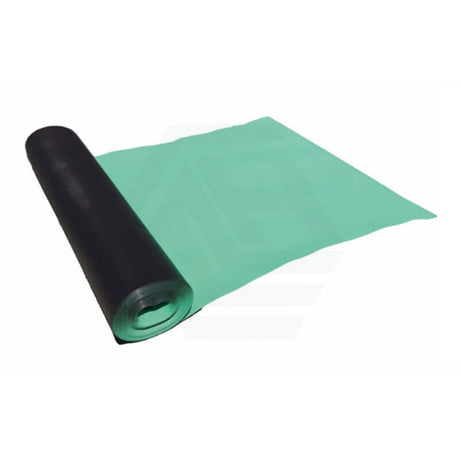
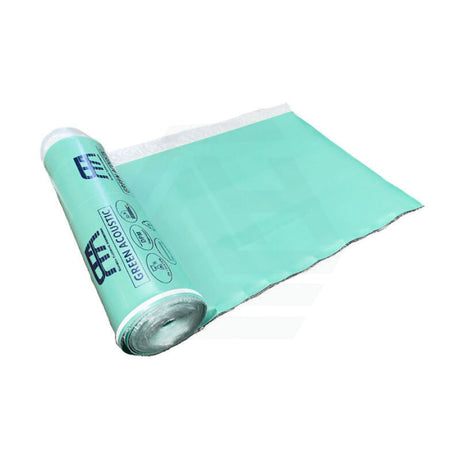
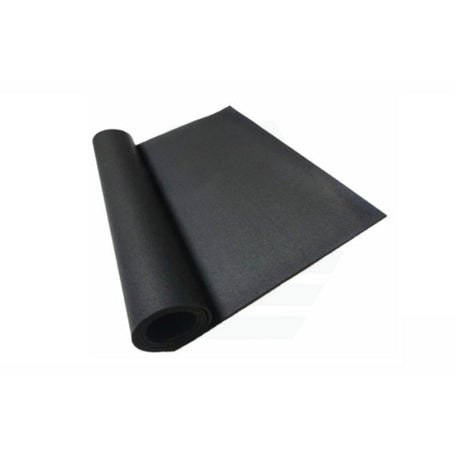
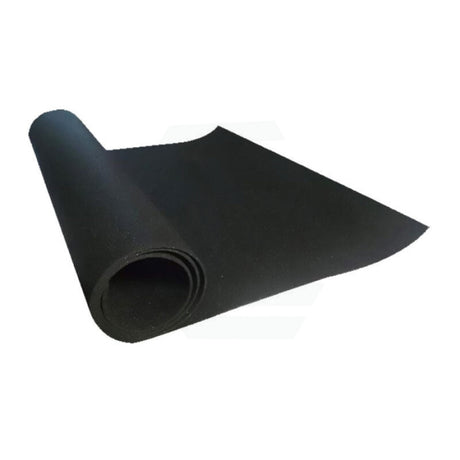
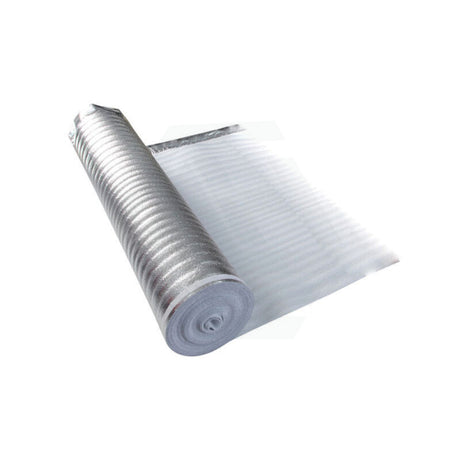
If a hybrid floorboard were to lay flat on top of your subfloor, connected to its adjacent boards, but not attached to your existing concrete or timber underneath, the material placed between the floorboard and the subfloor would be referred to as underlay. The main use of underlay is to provide a cushioning effect to the floor, and also reduce the noise. A good quality underlay helps cushion the floor and can reduce noise transfer to the room below, though actual performance depends on the underlay and installation. Some underlays include a built in moisture barrier, saving you the trouble of using both separately.
Underlay is not however a replacement for proper subfloor preparation. Underlay will not fix a subfloor that is uneven, wet or dirty, and every single manufacturer's instructions will recommend proper subfloor preparation first. Ensure the subfloor is level, dry and clean before you start thinking about underlay.

Attached Underlay Pad or Separate Underlay?
This is where many people get confused. The hybrid flooring we sell comes with the underlay already attached to the underside of the board, such as Bass Timber's SPC range which comes "with Underlay" or Preference Floors' Easi-Plank, Iconic, Hydroplank and Aspire range which all have a 1.5mm IXPE pad attached under each board, and the Lifestyle range with a 2mm IXPE pad. These products don't require you to buy any additional underlay.
Always read the product description for the board you are looking at, and don't assume anything. Also, always follow the specific instructions for the board you are using, as there may be additional requirements. For instance, Easi-Plank must be laid over 200μm builder's plastic on all subfloors, whether or not there is underlay attached to the board. Don't layer or skip layers based on what you did for another flooring type, always read and follow the instructions for the product you are purchasing.

When is Additional Underlay Required?
The answer to do you need underlay for hybrid flooring depends on what the specific product listing says, so check it before you buy. We list some of our underlays with a note saying that additional acoustic underlay is required for all floating floor installations, and hybrid flooring is a floating floor system. However, if the product description states that the underlay is attached to the board, you should not need any more. Almost all of our listings indicate the presence of the attached underlay, either "with Underlay" or as an "IXPE pad". That attached pad is your acoustic underlay and you do not need another unless the installation guide specifically calls for one. Underlay rolls are used when the flooring you're installing is a floating floor (such as laminate, where the listing states that underlay is required separately); floated engineered timber usually needs a separate acoustic underlay and moisture barrier too, but always check the specific installation method on the product page. Treat the acoustic ratings as guidelines only and refer to your body corporate or strata rules for the acoustic requirement, if there is one, before making your decision.

Concrete Subfloors and Moisture
We've covered off the upper half of the flooring sandwich, the acoustic underlay, and what lies underneath is the next consideration, especially if you have a concrete slab. You want to know how to stop moisture rising up from the slab. Our moisture barriers include 200μm builder's plastic, sold in 2m x 50 lineal metre rolls. Depending on the installation instructions for the board, you may or may not require a separate moisture barrier, depending on whether your underlay has one built in. Easi-Plank, for example, needs 200μm builder's plastic under all substrates. Read the installation instructions for both the board and the underlay before buying to avoid missing out a layer that is required, or using one that isn't necessary.
To reiterate, none of our hybrid, laminate or floated engineered timber flooring is suitable for, recommended for or approved for installation in bathrooms, ensuites, toilets, powder rooms or laundries. If you are looking for a wet room floor, tiles are the way to go.

Edging Off
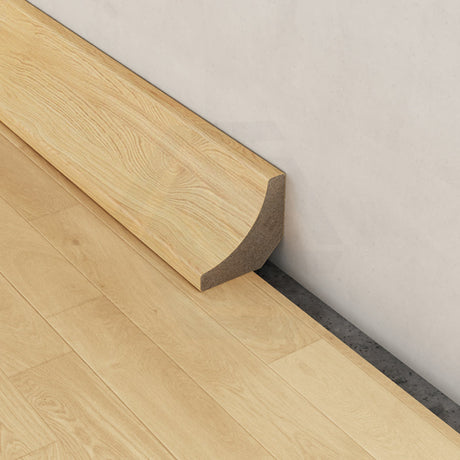
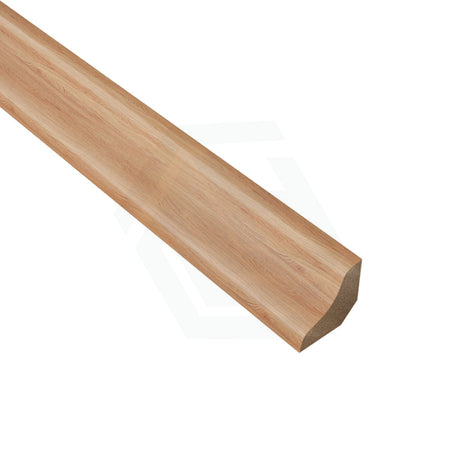
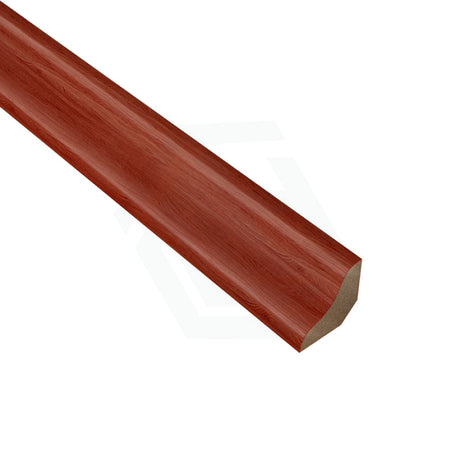
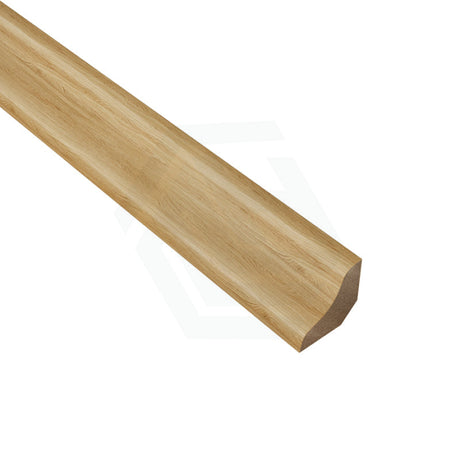
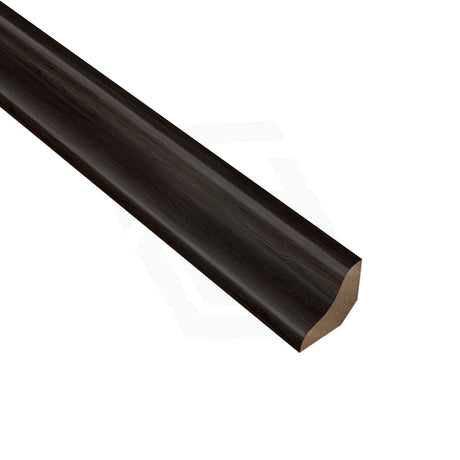
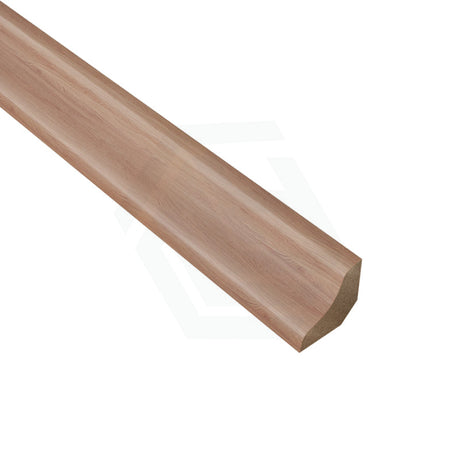
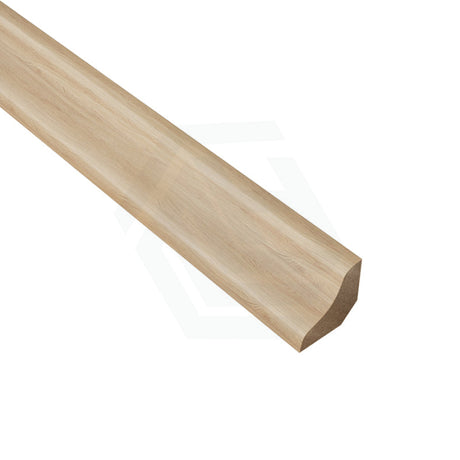
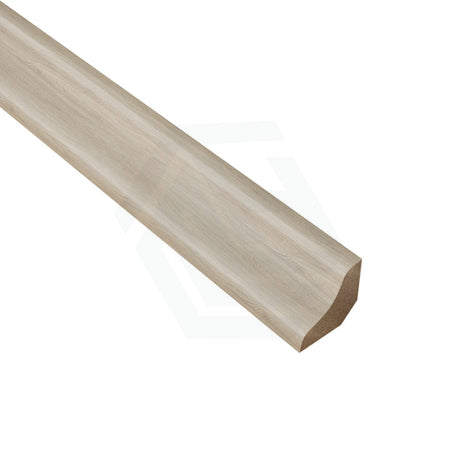
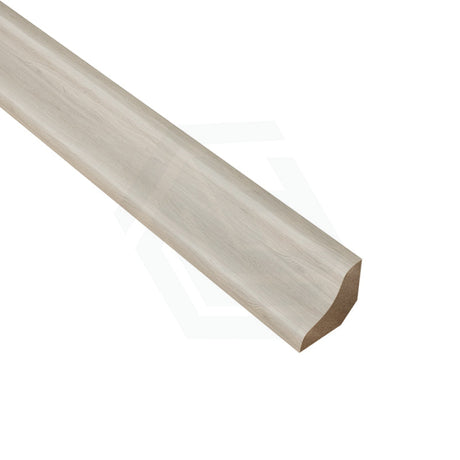
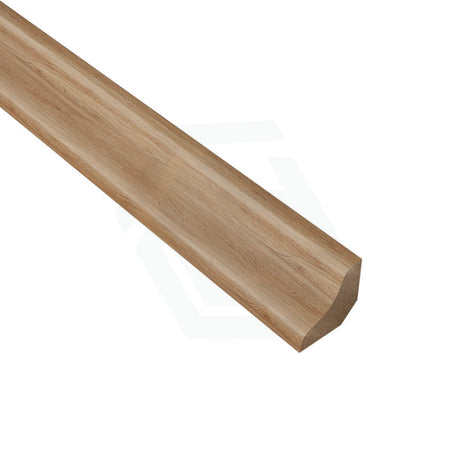
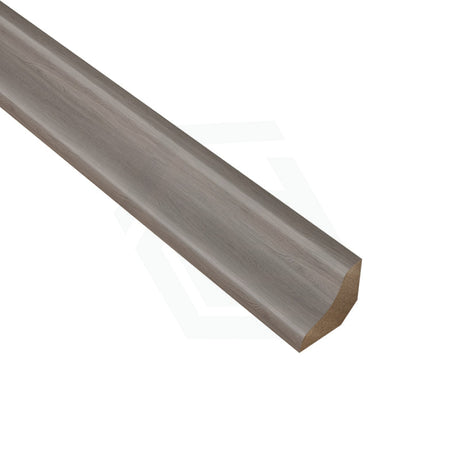
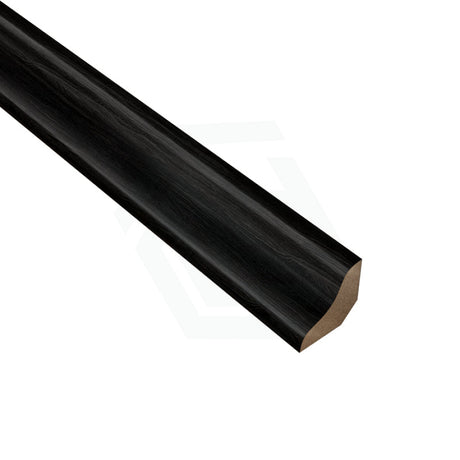
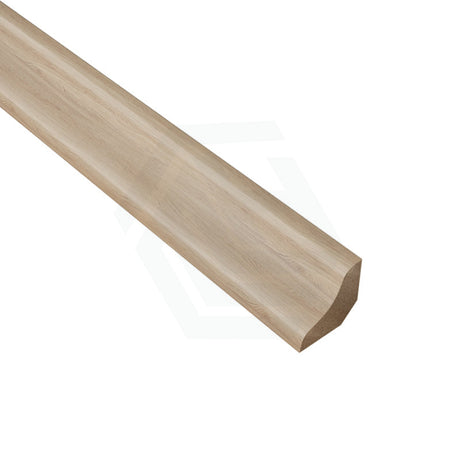
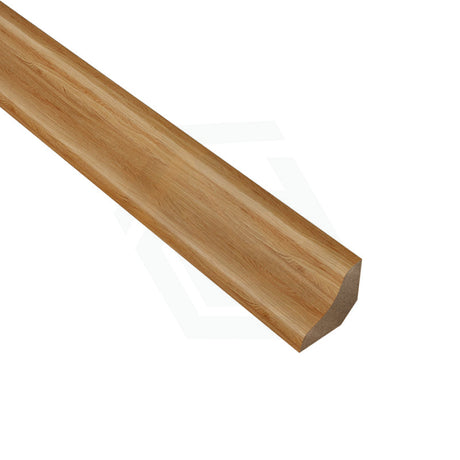
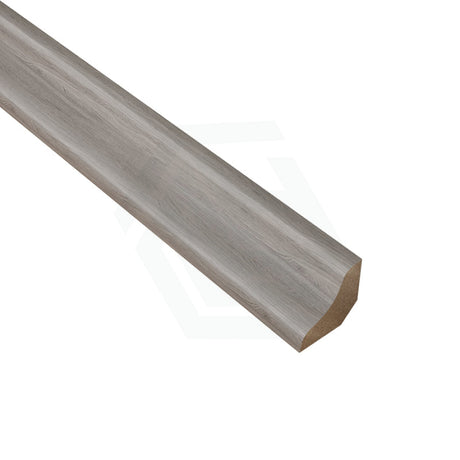
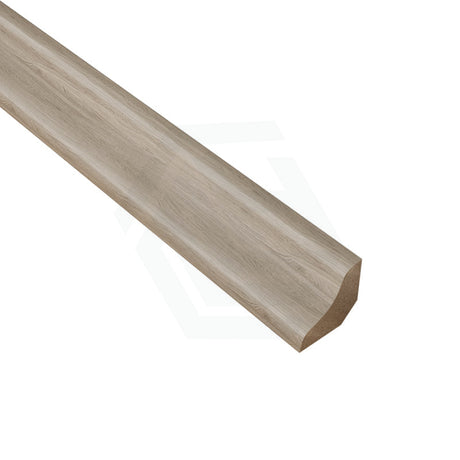
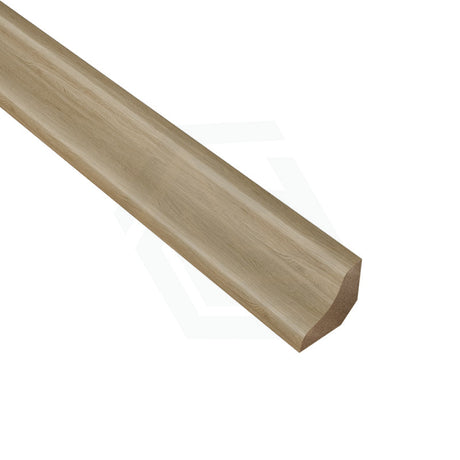
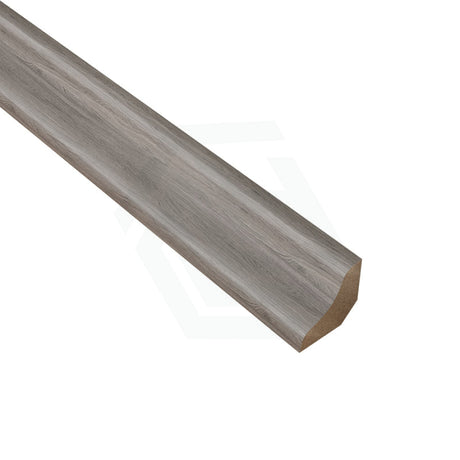
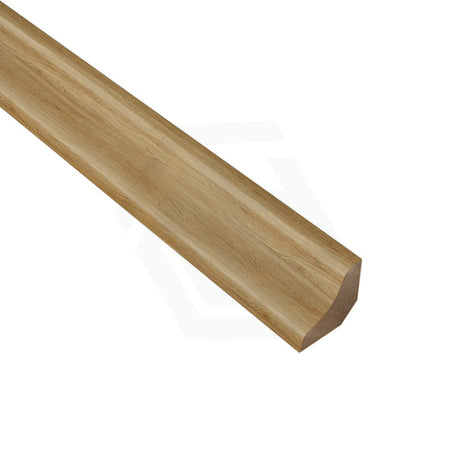
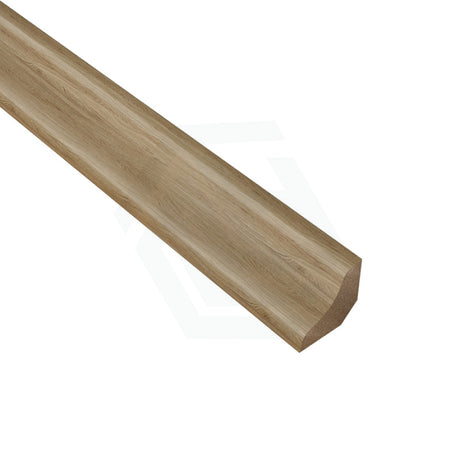
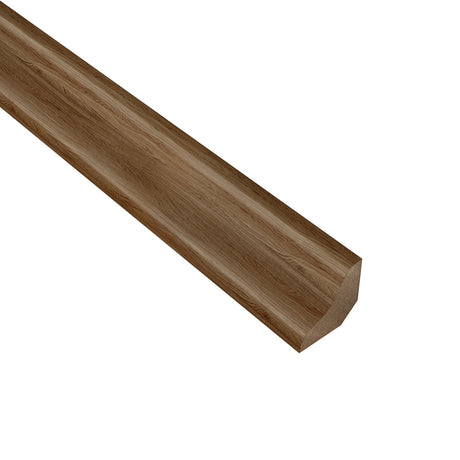
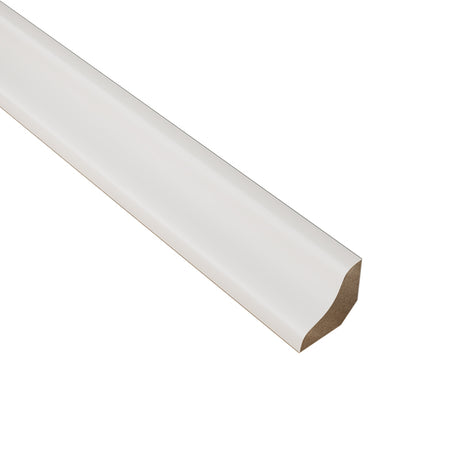
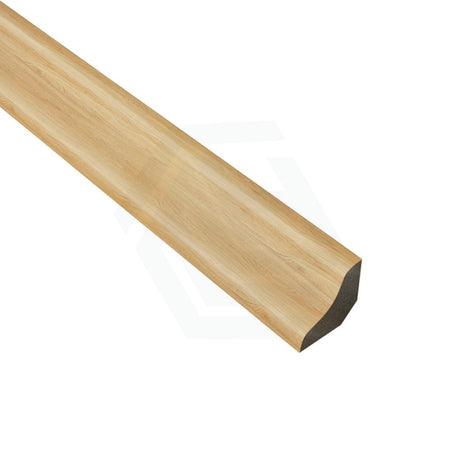
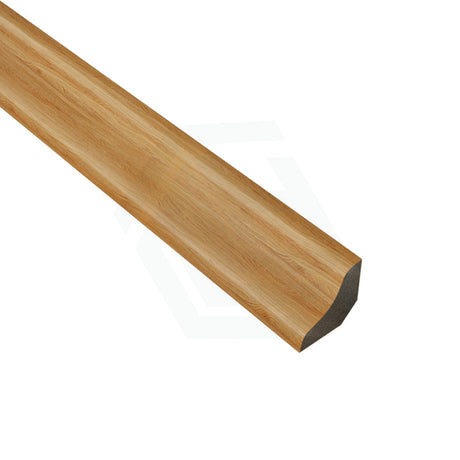
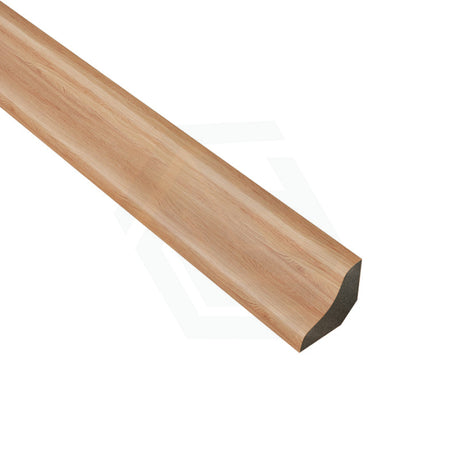
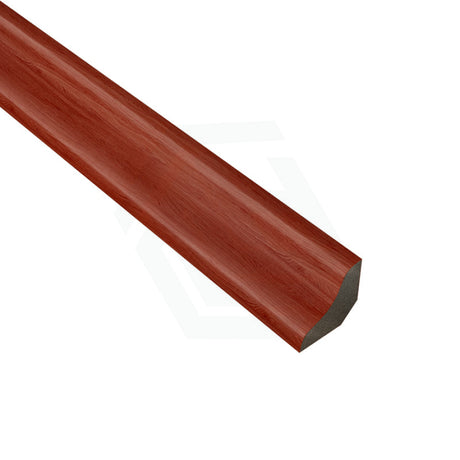
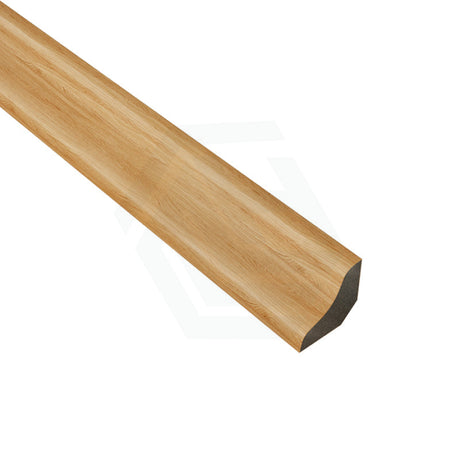
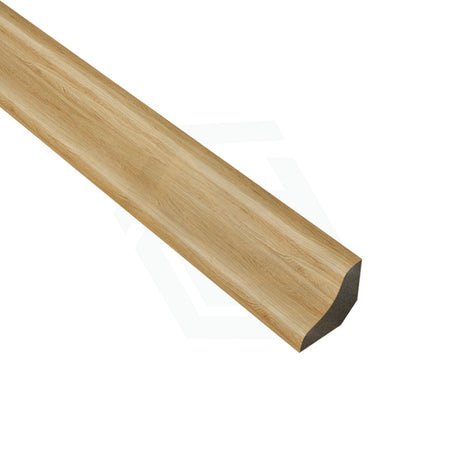
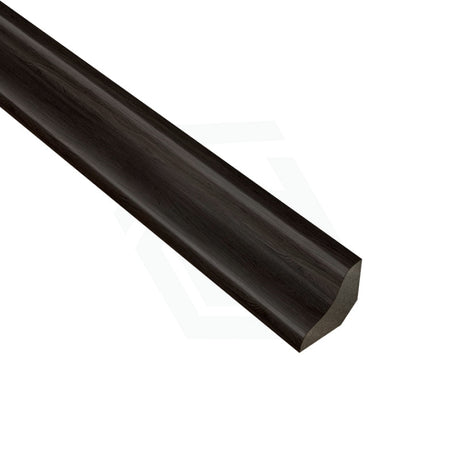
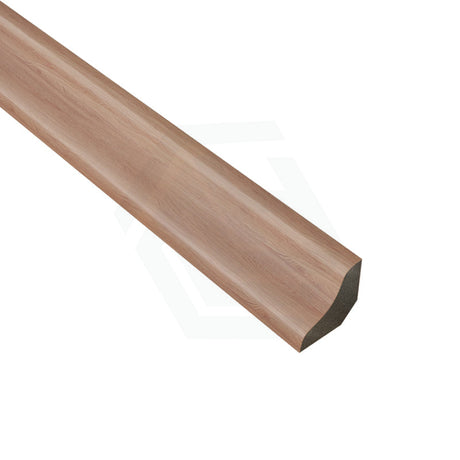
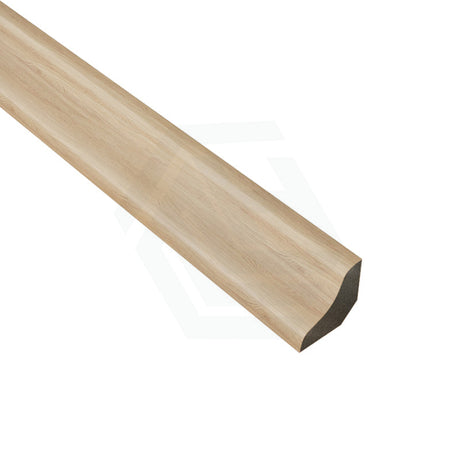
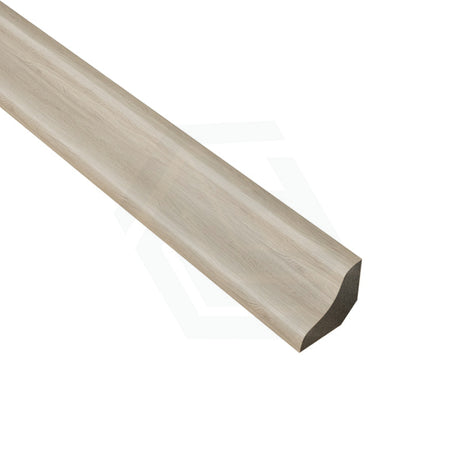
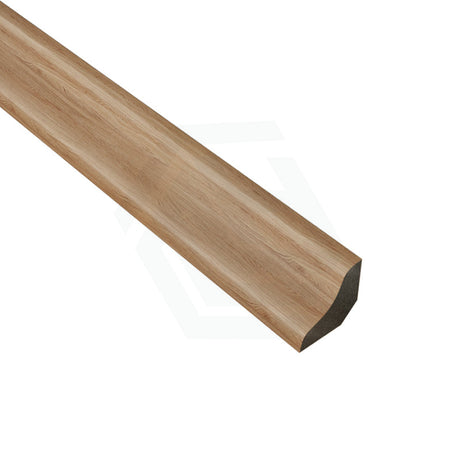
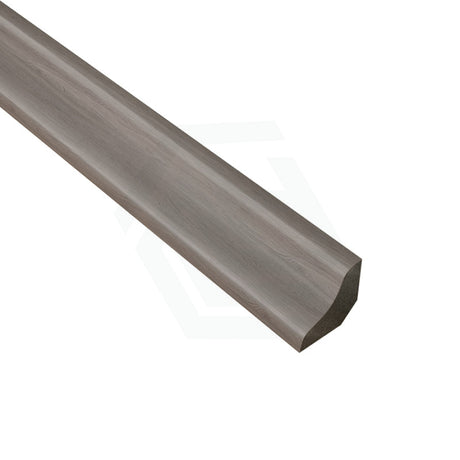
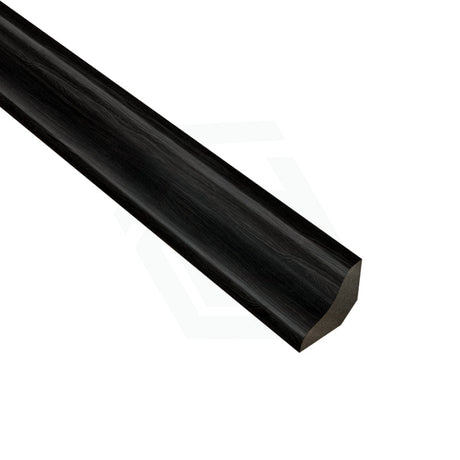
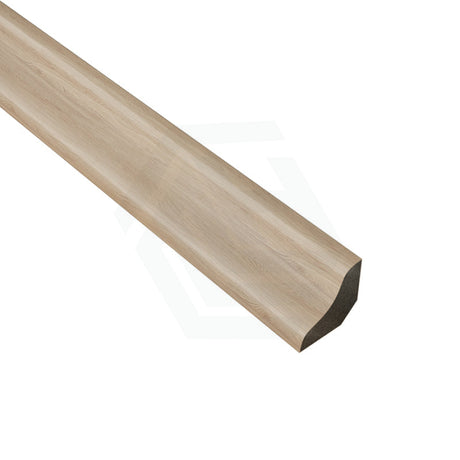
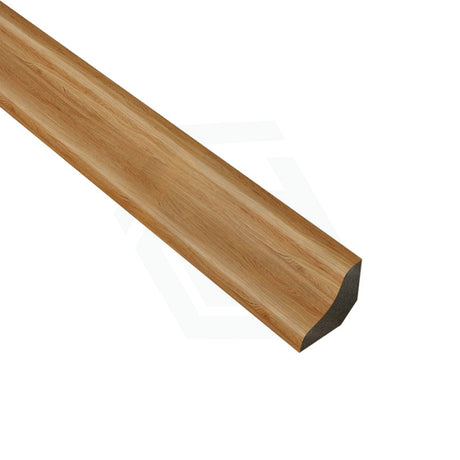
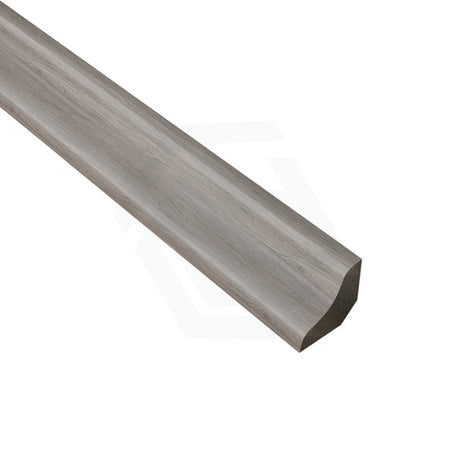
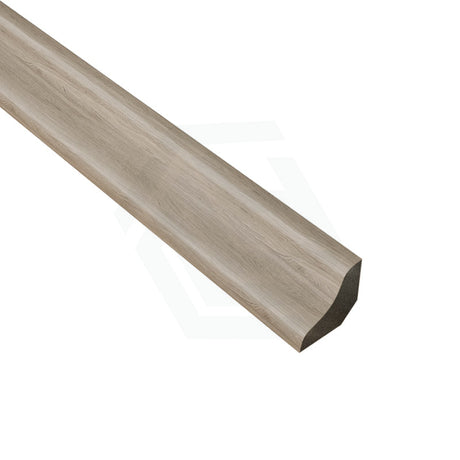
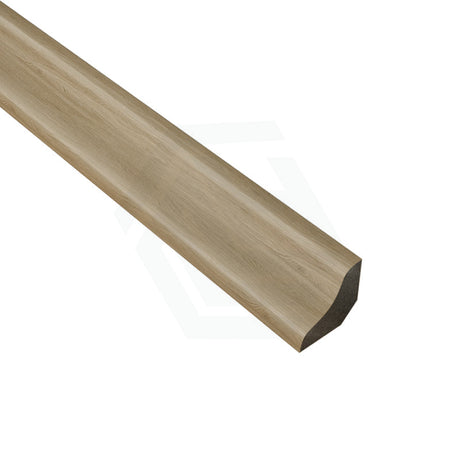
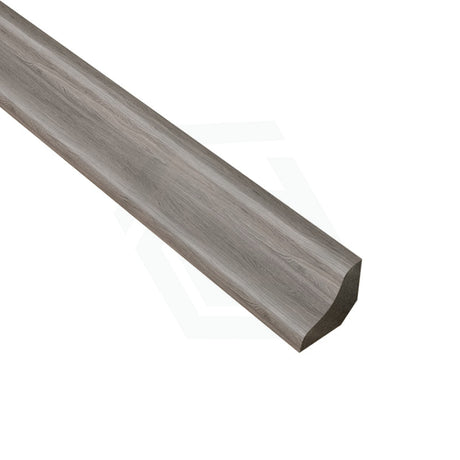
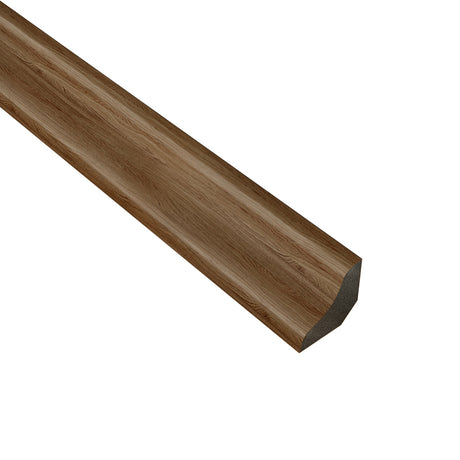
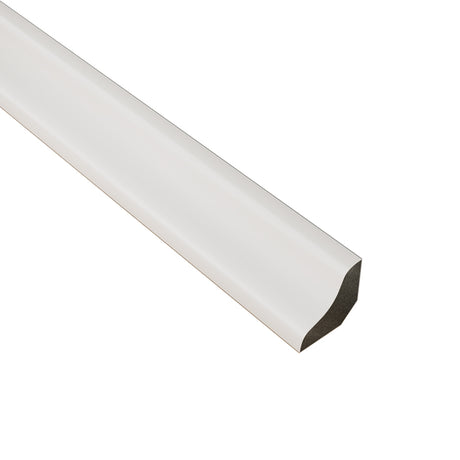
With the layers of the subfloor now sorted, it is time to deal with the perimeter of the room. Even though our hybrid boards are described as dimensionally stable, they still need to be installed leaving the expansion gap as indicated in the installation guide along the edges of the room, and the gap must not be filled with silicone or caulk. If you are retaining the existing skirting, scotias are used to cover the gap. We stock 2400mm Bass Timber scotias in both a Standard MDF version and a Premium Waterproof version in a variety of colours to match most floors. Colours are not always an exact match so it is worth checking the colour against the boards before making your choice. The term "Premium Waterproof" refers only to the material the scotia is made of and does not mean any floor is suitable for bathrooms, ensuites, toilets or laundries. With this final piece in place, your new floor will look complete from the start.