11 November, 2026
Commercial Kitchen Drainage: Floor Wastes, Clear Outs and Grates
Commercial kitchen drainage explained: grease arrestors, floor wastes and clear outs. Read our guide for compliant, accessible kitchen drainage layouts.

Mop out a commercial kitchen for a few nights and you'll spot it straight away — some floor drains were fitted with care, others weren't. Three things have to line up before the drainage will actually work. Before any fixture gets picked, the trade waste agreement for the grease arrestor needs sorting first. Next, the floor wastes must match the pipework in size. Finally, position clear outs so a licensed plumber can get to the line without tearing up tiles.
Video Credit: gregvancom
Commercial Kitchens: Why Drainage Matters
Water, oil, debris and constant wash-down hit a commercial kitchen floor much harder than any residential bathroom floor ever would. Wash-downs happen often, water and oil and debris land on the floor all through trading hours, and the floor has to be dry again before the next service — small wonder designers and health inspectors both treat drainage as a priority.
Get the drainage design wrong and whoever runs the kitchen day to day pays for it — slow floor wastes, blockage call-outs, the lot. Get a licensed plumber involved early, sort the layout and fittings properly, and most of that hassle simply won't happen.

Trade Waste and Grease Arrestors
Before a floor waste can be installed, the food business needs to obtain authorisation from the relevant water authority to discharge wastewater to sewerage systems. This usually comes in the form of a trade waste agreement or permit, and will typically include a grease arrestor of a size determined by the water authority in your area. Sydney Water, for example, says if you prepare or serve hot food you need a grease trap and trade waste agreement. Requirements differ between water authorities, so check with your local water authority or plumber for the rules in your area.
Your licensed plumber will take care of this on your behalf well before you choose any fixtures. Sanitary drainage connections, drain falls and vent sizes for commercial projects follow the Australian plumbing standard, AS/NZS 3500.2. Plumbing on all commercial projects is done by licensed plumbers in accordance with the plumbing legislation in your state or territory and this is certainly not a DIY job.
Worth repeating: a strainer basket floor waste is NOT a grease trap. Grease trap installation is a separate matter, handled by your licensed plumber and the water authority.

Wash-Down Areas and Floor Wastes
With the necessary permissions in hand, you can turn to picking which commercial floor wastes suit your wash-down space. Commercial floor wastes from our range suit either 100mm or 150mm pipe sizes, though some point drains run to a 50mm outlet instead — check each item description to confirm the pipe or outlet size before ordering.
The arrestor versions include a removable strainer basket that catches debris before the drainage line, but it's still no substitute for a grease trap. We also stock vinyl floor wastes, which come fitted with a vinyl clamp for sheet vinyl flooring jobs. Ask your designer or tiler which slip-resistant flooring finish suits a commercial wash-down area.
Your licensed plumber is the one to ask about sizes and locations that fit the kitchen's drainage needs.

Picking the Right Stainless Steel Floor Waste
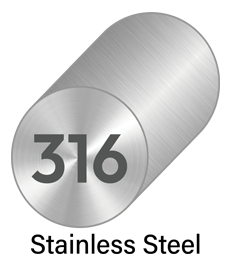
Next up: what material should the floor waste itself be made from? Most people underestimate how much the grade matters here. Commercial kitchens deal with constant wash-down and moisture day in, day out, so a grate has to stand up to corrosion and general wear. We stock stainless steel floor wastes in both grade 304 and grade 316, with round or square grates and anti-slip designs for busier areas.
Grade 316 is more corrosion-resistant than grade 304, but neither is completely corrosion-proof, so please check the product description to confirm the grade, and remember that even with the highest-grade stainless steel, grates still need regular cleaning. You should ask your licensed plumber if the floor waste or clear out you're buying needs WaterMark certification for your specific project.

Keeping the Lines Accessible
A floor waste alone will not prevent issues caused by blockages elsewhere in the drainage line, and in a busy kitchen environment, that is simply a matter of when, not if. Installing clear outs gives the licensed plumber direct access to the drainage line without needing to remove the floor.
Position clear outs so they are easily accessible and not hidden behind permanent installations or bench tops. Fixing a blocked drainage line, like all commercial kitchen drainage work, is a job for licensed plumbers in all states and territories.
References
AS/NZS 3500.2:2025 Plumbing and Drainage — Sanitary Plumbing and Drainage, Standards Australia
AS 4586:2013 Slip resistance classification of new pedestrian surface materials (incorporating Amendment No. 1:2017), Standards Australia
WaterMark Certification Scheme, Australian Building Codes Board
Plumbing licensing requirements, state and territory plumbing regulators