

12 May, 2026
How to Use a Japanese Toilet: Buttons, Features and Etiquette
Wondering how to use a bidet? Our Australian guide explains Japanese toilet buttons, nozzle features and etiquette in plain English.

What Is a Japanese Toilet and How Does It Work
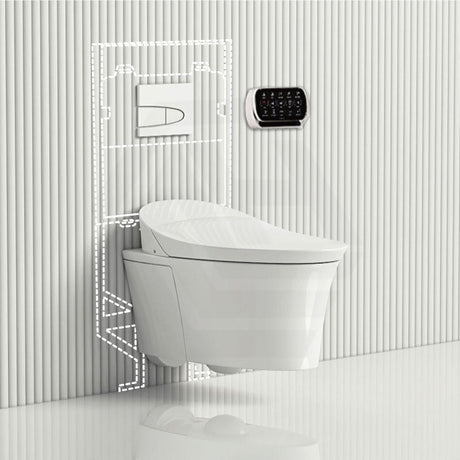
Think about how you enter a normal bathroom; it's just your regular bathroom. Contrast this with walking into a bathroom with a Japanese-style seat. The seat is already warm, the room lighting is soft, and your toilet is controlled by a panel more intricate than a fighter plane. This is a Japanese toilet. Once you understand what is a bidet and how it all works, using one is the easiest bathroom upgrade you will ever make.
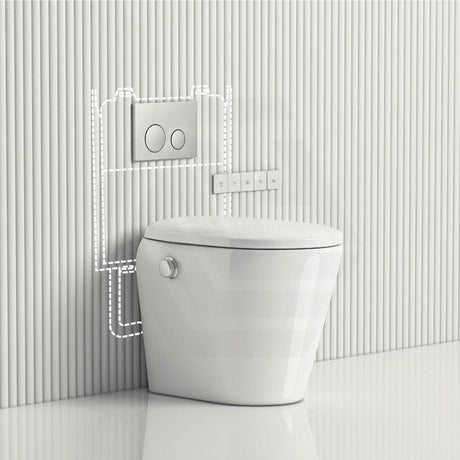
A nozzle is located at the back of the toilet pan that sprays water for cleaning. Once activated, this nozzle slides out from beneath you, spraying the water, and then retracts again and cleans itself. So, how does a bidet work? The water is pressurised (with typically 5 pressure settings), the nozzle has precise placement, and warm air drying with heated seats finish up the job.
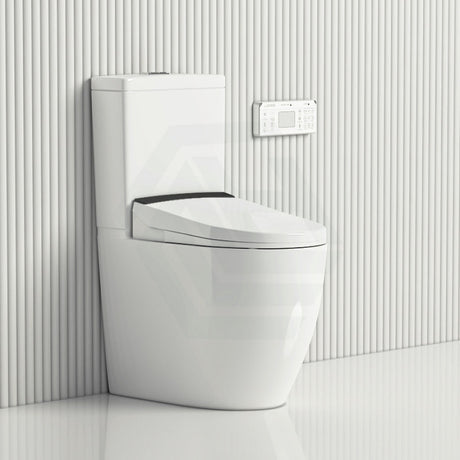
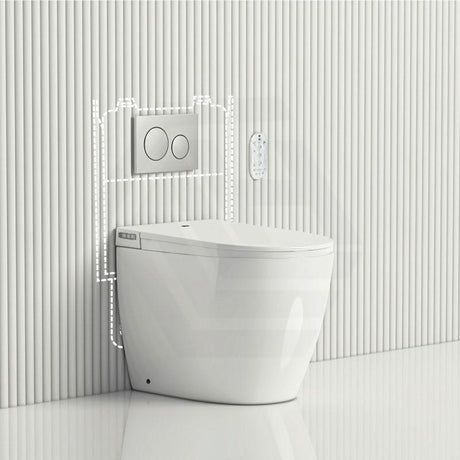
There are 3 product formats you should know about before shopping: a standalone bidet, a bidet toilet seat (or smart toilet seat cover), and a fully integrated smart toilet suite. A standalone bidet is a separate porcelain fixture installed beside a traditional toilet. Bidet toilet seats retrofit to your existing toilet pan and are the most affordable entry point, with options starting from around $80 AUD. A fully integrated smart toilet suite combines pan, cistern and bidet functions into one seamless unit, and these begin at approximately $1,619 AUD. Note that these are different product formats with different installation requirements, not different prices for the same product.
Now that you have this knowledge on how the device works, you are ready to decode the control panel. Knowing what each symbol means is the difference between being a confident user of a Japanese toilet and someone frantically pressing symbols in a Tokyo hotel bathroom.

Understanding the Control Panel: Buttons and Functions Explained
Upon your first time using Japanese toilets, you will feel overwhelmed. A side panel or remote typically features posterior wash (rear wash), feminine wash (front wash, a gentle wash for ladies), nozzle position and pressure settings, water temperature settings, seat warming, and a dryer. Higher-end Japanese toilets may also have an air deodoriser and auto-flush.
The key numbers to note: water temperature is typically adjustable between 30–40°C, well within acceptable safe temperatures for bathroom outlets under Australian standards. Seat temperature usually has three settings, from mild to noticeably warm, making winter mornings in Canberra more comfortable. Pressure settings run from 1 (barely spraying) to 5 (a proper rinse). Start low the first time. While button labels will vary between brands such as Poseidon, Kohler and Fienza, core functions remain consistent across the range.
With the control panel now in mind, you are ready to practise. Here is the order you should follow to use a bidet correctly.

Step-by-Step Guide: How to Use a Bidet Toilet Seat Correctly
Learning how to use a bidet is easier than the button panel suggests, and the order matters. Be seated before you press any button — the nozzle will not extend correctly otherwise, and activating it mid-air is the most common mistake first-timers make. Once seated, choose your wash mode of posterior or feminine wash. Adjust your water temperature and pressure settings before you start the nozzle spray, rather than after. At the end of the cycle, activate the dryer or pat dry with a small amount of toilet paper. Each wash cycle uses approximately 0.5–1 litre of water, making it genuinely eco-conscious.
Don't make the mistake of choosing pressure setting 5 on your first use; don't forget to adjust the nozzle position slightly (a small shift makes a significant comfort difference); and don't rush through the dryer cycle — give it at least 30 seconds. With familiarity it becomes a two-minute experience. Knowing how to use a bidet properly makes every subsequent use effortless.
So you now know the basics — the next question becomes: should you buy a smart toilet for your home, and are smart toilets worth it given the range of features on offer?

Key Features to Look For and Are Smart Toilets Worth It
So, are smart toilets worth it in Australian homes? Like all things, it depends on your key wants and needs.
The essentials include a heated seat, adjustable warm water temperature and pressure settings, and a self-cleaning nozzle.
Nice-to-have but non-essential features include air deodoriser systems, night lights, and automatic open/close lids.
Smart toilet seat cover options generally range from $500–$900, whereas mid-range integrated smart toilet units range from $900–$1,800, and premium suites are priced from $1,800, with Kohler's most premium model reaching $6,205.
All smart toilet products sold in Australia require WaterMark certification (WaterMark Certification Scheme) — a product should not be installed if it is not WaterMark certified. If the product is electrically operated to heat the seat or dry the user, it must also comply with AS/NZS 3000:2018 (AS/NZS 3000:2018) for electrical components compliance. Warm water delivery must comply with anti-scald protection guidelines, with a 50°C anti-scald cap (AS/NZS 3500.4) applied as the maximum. Most Australian-compliant smart toilet models also carry a WELS 4-star water efficiency rating.
If you are browsing bathroom vanities to complement your new setup, a white vanity would give your bathroom a clean, hotel-like finish. The good news is that white vanities are available across a wide range of styles and sizes.

Japanese Toilet Etiquette and Practical Tips for First-Time Users
One point of etiquette: if using shared facilities, whether within the home or in a hotel, always return your bidet to default settings when you have finished. Water temperature, pressure, and nozzle settings are personal choices, and resetting them is a considerate gesture to the next user. When using a bidet in a public space, check for signage regarding whether paper may be flushed.
When installing at home, before purchasing, measure your water pressure — you want something between 150–700 kPa. Check for a GPO power point within one metre of the toilet for electrically operated seat functions, and confirm your existing toilet pan is compatible with a retrofitted bidet seat. One thing to be clear on: connecting the water supply is not a DIY task. A licensed plumber (state plumbing licensing legislation) must connect the water supply — this is a legal requirement across all Australian states and territories, not merely a recommendation — and labour costs typically run $150–$250. Cleaning the nozzle is straightforward; many units have a self-cleaning cycle, while wiping the exterior with a damp cloth and non-abrasive cleaner once a week keeps everything looking smart. A white bath vanity makes a beautiful pairing to this setup.
A Japanese toilet is far from a gimmick: with the right care, it is a practical, hygienic upgrade for any Australian bathroom.
References
WaterMark Certification Scheme, Australian Building Codes Board
AS/NZS 3000:2018 Electrical Installations (Wiring Rules), Standards Australia
AS/NZS 3500.4 Plumbing and Drainage — Heated Water Services, Standards Australia
State plumbing licensing legislation (VBA Victoria; Fair Trading NSW; QBCC Queensland; Building Practitioners Board WA; CBOS Tasmania; ACTPLA ACT; Building & Energy SA; ABPB NT)